Best Foods for Energy: Whole Foods Versus Quick Fixes Daily
By:Author:Nord Fascia Editorial
Updated on:October 16, 2026
- No, One Energy Food Will Not Fix Afternoon Slumps
- What's Actually Happening When You Eat for Energy
- Three Things That Decide How Steady Your Energy Stays
- A Day of Eating Built Around Steady Energy
- Fitting Steady Eating Into a Packed Week
- What to Expect As Your Energy Habits Settle In
- Mistakes That Quietly Undo Good Energy Habits
- Supporting Energy Choices With Nord Fascia
- Making Steady Energy a Normal Part of Your Day
The best foods for energy are ones that release what you need steadily, not in a rush - think whole grains, protein, and foods with natural fibre, rather than sugar or caffeine alone. The reason is simple: foods that break down slowly keep blood sugar steadier, so you avoid the sharp rise and the drop that follows.
Quick fixes like sweets or an extra coffee can feel like they work, and for a short while they do. The problem is what happens after - a dip that often leaves you reaching for another quick fix, and the cycle repeats.
This article compares whole foods against quick fixes, walks through what actually happens in the body, and gives you a simple day of eating you can copy. It also covers the mistakes that quietly undo good intentions and where fascia-focused movement fits into the picture.
No, One Energy Food Will Not Fix Afternoon Slumps
There's no single food or drink that will carry you through a whole day on its own. Energy isn't stored in one ingredient - it comes from a pattern of eating, sleeping, and moving that either supports steady output or doesn't.
The myth persists because quick fixes genuinely work in the short term. Caffeine blocks the signals that tell your brain you're tired, and sugar gives a fast rise in blood glucose - both feel like energy, even though neither one adds anything your body didn't already have.
The honest answer is that no food reshapes your energy levels overnight, and nothing here claims to cure fatigue or treat an underlying condition. If tiredness is constant, unexplained, or affecting daily life, that's worth raising with a clinician rather than solving through diet alone.
What's Actually Happening When You Eat for Energy
Understanding the basic mechanism makes it easier to choose foods that actually help rather than ones that just feel like they do.
Blood Sugar Rise and Fall
Simple sugars and refined carbs get broken down fast, so blood sugar spikes quickly and then falls just as fast, taking your energy with it. Foods with fibre, protein, or healthy fat slow that breakdown, so the rise is gentler and the fall is too.
Steady Fuel Versus Borrowed Fuel
Caffeine doesn't add fuel - it masks tiredness signals, which is why the crash afterward can feel worse than before. Whole foods, by contrast, supply the glucose, protein, and nutrients your body actually converts into usable energy, so there's less to pay back later.
Three Things That Decide How Steady Your Energy Stays
Not every factor matters equally. These three make the biggest difference to how your energy holds up across a day.
What Moves the Needle Most
- Meal timing and spacing - going too long without eating leads to a bigger dip later, so regular meals and snacks keep things steadier than one or two large meals.
- Protein and fibre at each meal - pairing carbs with protein or fibre slows digestion, which smooths out the rise and fall in blood sugar.
- Hydration - even mild dehydration can feel like fatigue, so water intake plays a bigger role in daily energy than most people assume.
A Day of Eating Built Around Steady Energy
Here's a simple example of what a day built around whole foods instead of quick fixes might look like.
A Simple Daily Pattern
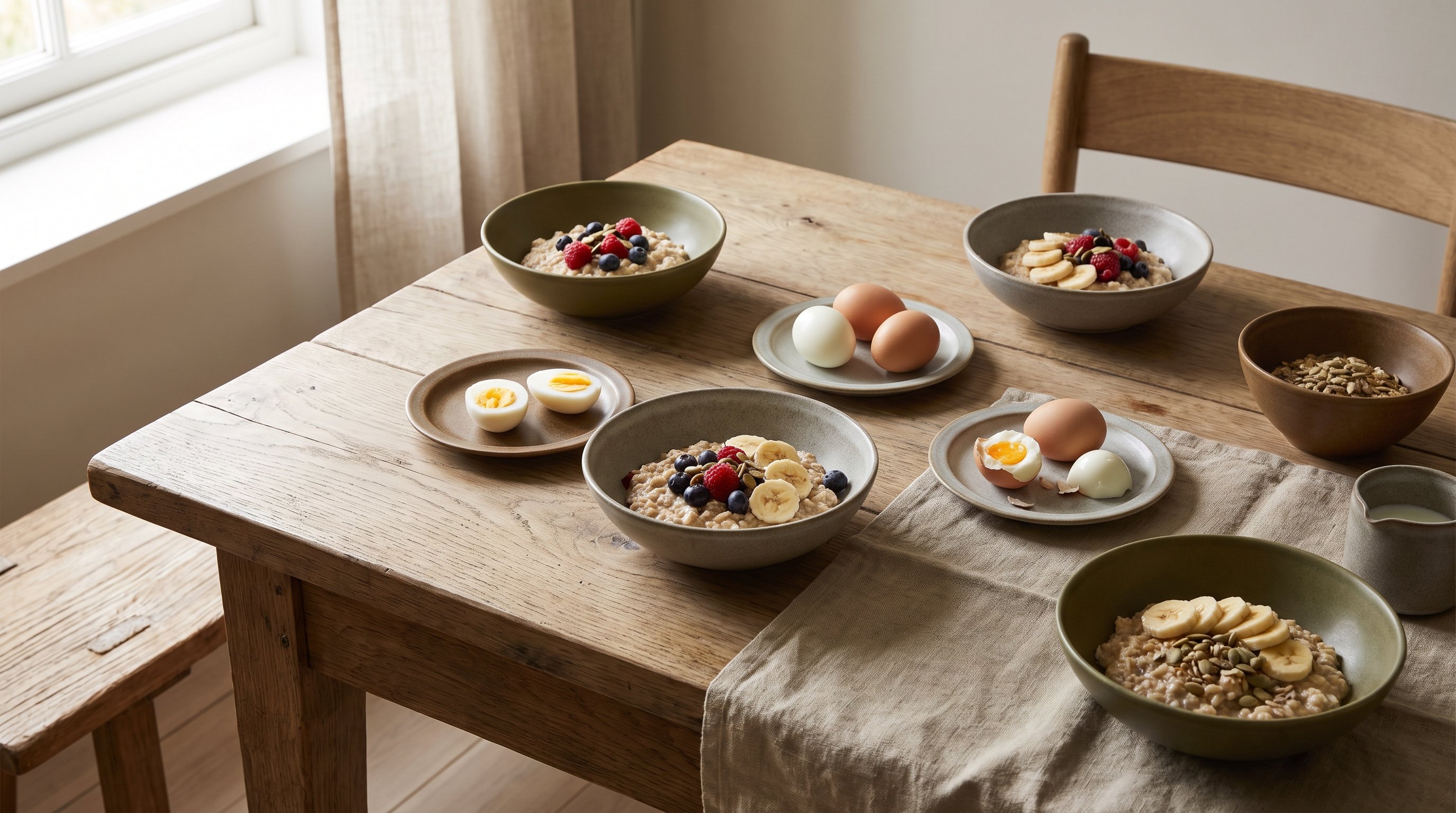
- Breakfast - oats with fruit and a source of protein like eggs or yoghurt, instead of a sugary pastry and coffee alone.
- Mid-morning - a handful of nuts or a piece of fruit if hunger hits before lunch.
- Lunch - a plate with whole grains, vegetables, and a protein source, rather than a quick sandwich from a packet.
- Afternoon - water first, then a small snack with fibre or protein if energy dips, instead of reaching straight for caffeine.
- Dinner - a balanced plate similar to lunch, keeping portions reasonable so sleep isn't disrupted.
Fitting Steady Eating Into a Packed Week
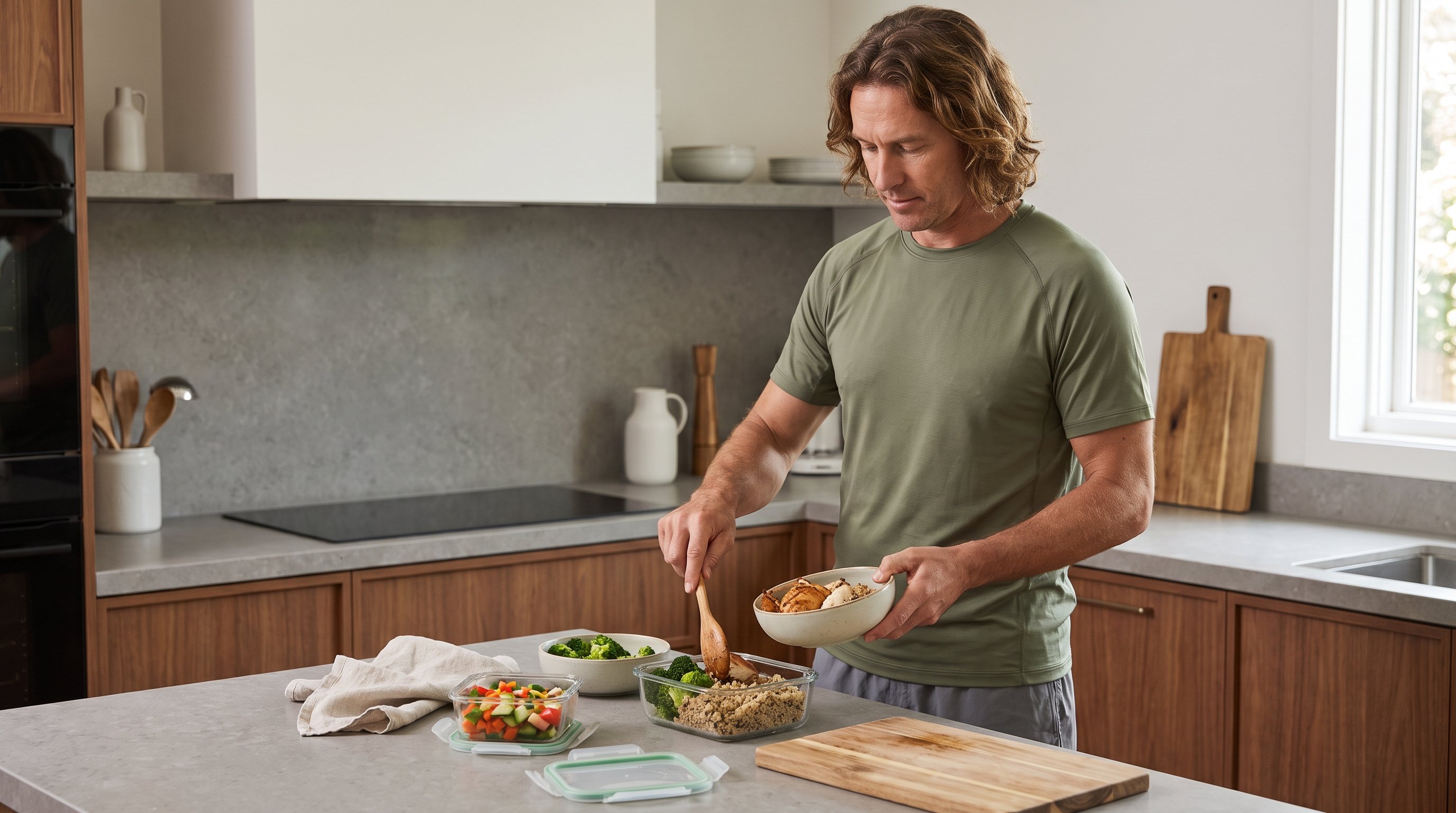
None of this requires a complicated meal plan or hours in the kitchen. Small swaps - oats instead of a pastry, water before coffee, a protein source at lunch - add up without needing a total overhaul of how you eat.
Energy levels aren't only about food, though. Movement, sleep, and stress all play a part, and keeping track of simple daily habits like hydration and steps can make it easier to spot what's actually affecting your energy.
Nord Fascia's daily trackers cover things like hydration and step goals alongside short guided movement sessions, which can help you notice patterns in energy without needing to overhaul your diet all at once.
What to Expect As Your Energy Habits Settle In
Switching from quick fixes to steadier food choices doesn't flip a switch. The first few days can feel less exciting - no sugar rush, no caffeine jolt - and that's often where people assume it isn't working and go back to old habits.
Give it longer than a few days before judging it. The appeal of a steady pattern is less about a dramatic high and more about avoiding the dips, and that tends to become noticeable once the new pattern feels normal rather than new.
Mistakes That Quietly Undo Good Energy Habits
Skipping Meals to Save Time
Going long stretches without eating often leads to a bigger blood sugar swing later, which makes the next slump worse. Keeping something simple on hand, even a piece of fruit, prevents that gap from turning into a crash.
Relying on Coffee As Breakfast
Caffeine alone gives you alertness, not fuel, so skipping food in favour of coffee just delays the dip rather than avoiding it. Pairing caffeine with actual food softens that effect.

Treating Sugar As a Pick-Me-Up
A sweet snack gives a fast rise and an equally fast fall, which can leave you more tired than before you ate it. Swapping in fruit or something with protein gives a steadier lift instead.
Forgetting Water Entirely
Mild dehydration can feel exactly like fatigue, so it's easy to blame food when water is the actual gap. A glass of water before reaching for a snack is a simple way to check.
Ignoring Movement and Stiffness
Sitting still for long stretches can leave the body feeling sluggish even when food and sleep are fine. Short movement breaks through the day can shift that feeling without needing a full workout.
Supporting Energy Choices With Nord Fascia
Food is only one part of the energy picture, and movement plays its own role in how sluggish or alert you feel through the day.
Nord Fascia offers hundreds of short guided exercise sessions built around fascia release and mobility, designed to ease stiffness and support a general sense of feeling lighter and more comfortable in your body. Paired with its habit trackers for hydration and steps, it gives you a simple way to keep an eye on the daily basics that affect energy, without adding a gym routine or a restrictive diet to your week.
Release Tension Naturally
Move With Ease Again
Making Steady Energy a Normal Part of Your Day
The best foods for energy aren't exotic or expensive - they're the ones that release fuel slowly and keep you off the rollercoaster of quick fixes. Start with one meal, add protein or fibre to it, and notice how the afternoon feels different.
Nord Fascia's trackers and short guided sessions can sit alongside these food changes, giving you a simple way to keep tabs on hydration, movement, and stiffness as part of the same daily routine.
FAQ
Whole grains, protein sources, and foods with natural fibre tend to release energy more steadily than sugar or refined carbs. Pairing carbs with protein at each meal is a simple way to apply this.
Coffee can mask tiredness signals, but it doesn't supply the fuel your body actually uses, so the effect wears off and often leaves a dip behind. Food gives your body something it can convert into steady energy instead.
Small swaps, like adding fruit to breakfast or choosing a snack with protein, don't require a full meal plan. Nord Fascia's habit trackers can help you notice patterns in hydration and movement without adding extra planning to your week.
Energy depends on sleep, hydration, and movement as well as food, so one good meal won't offset everything else. Giving new habits more than a few days, and checking water intake first, usually helps before assuming the food choices aren't working.
Share this post