Collagen Rich Foods: A Practical Guide
By:Author:Nord Fascia Editorial
Updated on:October 16, 2026
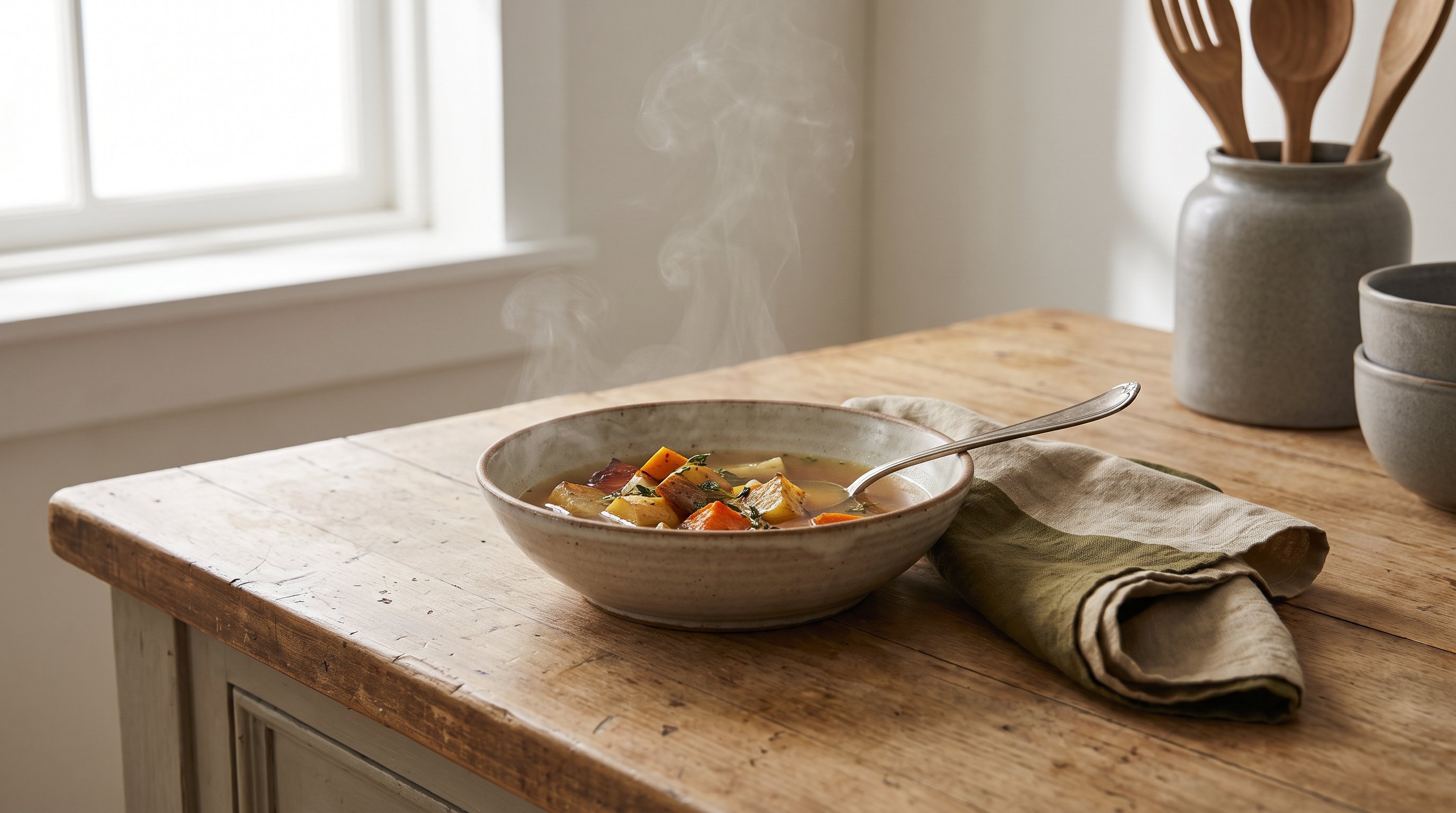
- Working Collagen Rich Foods Into Your Weekly Shop
- How Often These Foods Need to Show Up
- Fitting These Foods Around a Normal Week
- A Four-Stage Way to Start Eating More Collagen-Supporting Foods
- What to Expect As the Habit Settles In
- Mistakes That Undo a Collagen-Supporting Food Habit
- Supporting These Foods With Nord Fascia
- Making These Foods a Lasting Part of How You Eat
Collagen rich foods are mostly animal-based: bone broth, skin-on poultry, fish with the skin left on, and cuts of meat that include connective tissue. Plant foods don't contain collagen itself, but foods high in vitamin C and certain amino acids help the body put its own collagen together.
Collagen is a protein built from amino acids like glycine and proline, and the body assembles it using those building blocks plus cofactors like vitamin C. Eating foods that supply both gives the body what it needs to keep making collagen as it naturally breaks down and renews over time.
This guide covers which foods actually count, how much and how often to eat them, a simple four-stage way to start, and the habits that quietly get in the way.
Working Collagen Rich Foods Into Your Weekly Shop
You don't need to overhaul your kitchen to eat more collagen-supporting foods. A short list of swaps, added gradually, does most of the work.

Steps to Add More Collagen-Supporting Foods
- Start with bone broth - add a cup to soups, stews, or drink it on its own a few times a week.
- Keep the skin on - chicken, salmon, and other fish carry connective tissue just under the skin.
- Choose tougher cuts sometimes - oxtail, shank, and brisket contain more connective tissue than lean cuts.
- Pair protein with vitamin C - citrus, peppers, and berries alongside a meat-based meal support the body's own collagen-building process.
- Add egg whites - they contain proline, one of the amino acids collagen is built from.
- Try gelatin in cooking - it comes from the same connective tissue as collagen and works in sauces or puddings.
- Rotate rather than repeat - varying your sources keeps the habit from getting boring and falling off.
How Often These Foods Need to Show Up
There's no single magic amount, but a realistic pattern helps more than one big effort.
A Simple Weekly Target
Aiming for a few servings spread across the week tends to be easier to sustain than trying to get everything in one or two meals.
| Food | Suggested Frequency | Good Pairing |
|---|---|---|
| Bone broth | 3-4 times weekly | Leafy greens or citrus |
| Skin-on fish | 2 times weekly | Peppers or tomatoes |
| Tougher cuts of meat | 1-2 times weekly | Vitamin C side dish |
| Eggs | Most days | Any vegetable |
| Gelatin in cooking | A few times weekly | Fruit-based desserts |
Fitting These Foods Around a Normal Week
Most people don't have time to simmer bone broth from scratch every week, and that's fine. Batch-cooking a large pot once and freezing portions covers several meals without extra effort later.

Food is only one part of supporting how your body looks and feels, and movement plays its own role alongside it. Nord Fascia's guided exercise sessions and daily trackers can sit next to these food habits, giving you one place to keep an eye on water, steps, and routines while you work on meals separately.
A Four-Stage Way to Start Eating More Collagen-Supporting Foods
Rather than changing everything at once, build the habit in stages.
| Stage | What to Focus On |
|---|---|
| Stage 1 | Add one bone broth meal weekly |
| Stage 2 | Keep skin on fish and poultry |
| Stage 3 | Pair meals with vitamin C foods |
| Stage 4 | Rotate tougher cuts and gelatin in |
What to Expect As the Habit Settles In
Collagen turnover in the body happens slowly, so it's honest to say this isn't a fast process and there's no fixed point where you'll notice a difference.
What tends to happen first is simpler: the habit itself gets easier. Bone broth stops feeling like an extra task and becomes part of how you cook, and reaching for skin-on fish or a vitamin C side stops needing a reminder.
If you notice ongoing joint pain, skin changes, or digestive issues alongside dietary changes, it's worth speaking to a clinician rather than adjusting food alone.
Mistakes That Undo a Collagen-Supporting Food Habit
Relying on One Food Source Only
Eating bone broth daily but nothing else misses the amino acids and vitamin C that help the body build collagen in the first place. Rotate sources instead of repeating the same one.
Skipping the Vitamin C Pairing
Collagen-building foods work better alongside vitamin C, not on their own. A squeeze of lemon or a side of peppers takes seconds and makes the meal more useful.
Expecting a Quick Visible Change
Collagen renewal is a slow, ongoing process in the body, not something that shows results on a fixed schedule. Treat this as a long-term food habit rather than a short-term fix.
Dropping the Habit After a Busy Week
One skipped week doesn't undo anything, but several in a row resets the habit back to zero. Keep a frozen batch of broth or pre-cooked skin-on fish on hand for exactly those weeks.
Supporting These Foods With Nord Fascia
Food habits work best when they're not the only thing you're trying to track in your head.
Nord Fascia keeps daily habit trackers for hydration, steps, and wellness routines in one place, so the collagen-food habit you're building isn't competing for mental space with everything else. Its guided fascia release sessions and lifestyle challenges work alongside food choices rather than instead of them, with no restrictive diets or gym requirement attached.
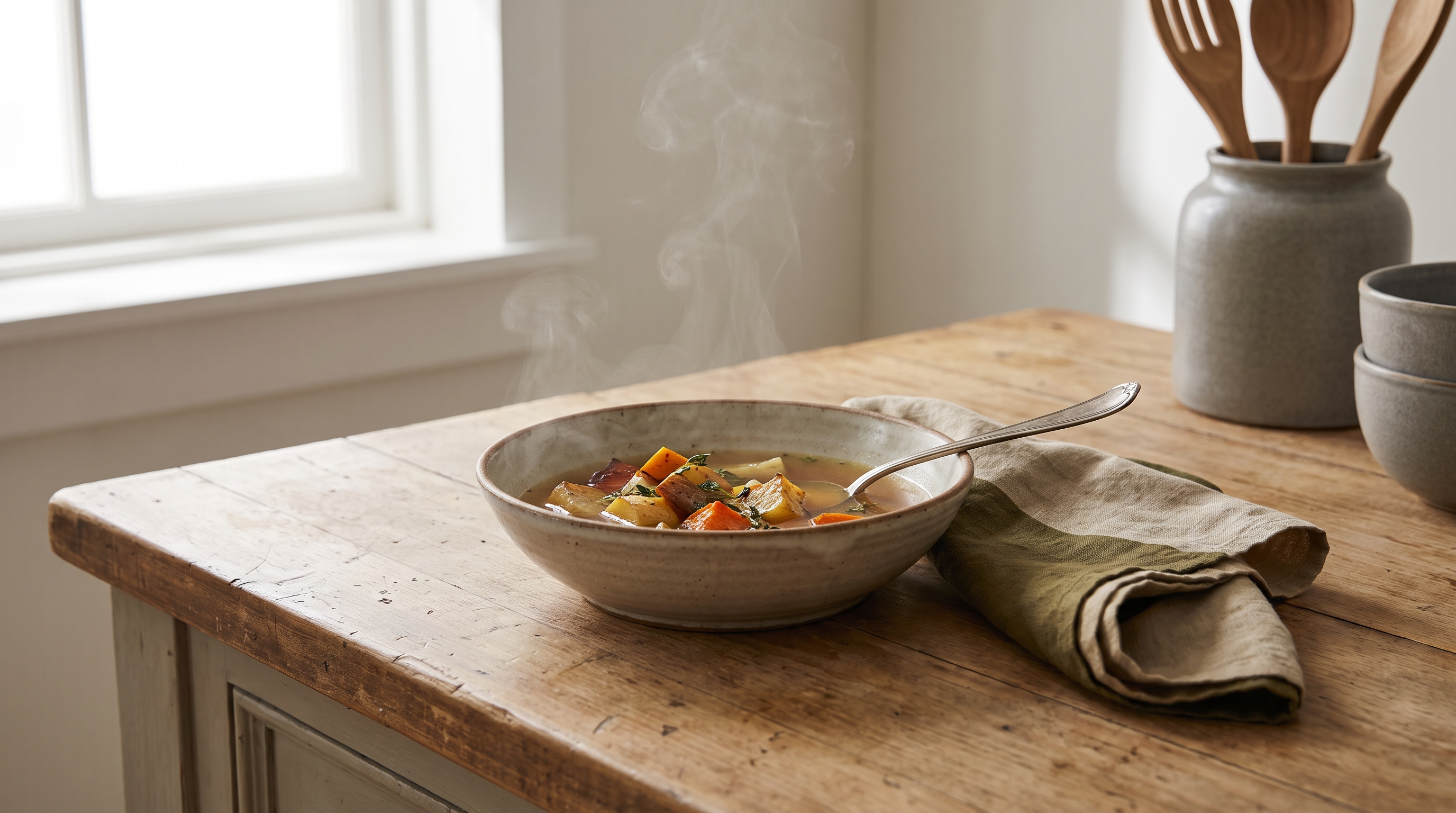
Release Tension Naturally
Move With Ease Again
Making These Foods a Lasting Part of How You Eat
The most useful step is also the simplest: pick one collagen-supporting food, add it to your shop this week, and pair it with something high in vitamin C.
Build from there at your own pace, and if you want food habits and movement habits tracked in the same place, Nord Fascia is built to hold both without adding complexity to your week.
FAQ
They supply the raw materials and cofactors the body uses to build its own collagen, which is a mechanism grounded in basic nutrition rather than a guarantee of any particular outcome. How much difference it makes varies from person to person and isn't something that can be promised.
Supplements can be convenient, but whole foods bring in a wider mix of nutrients, including the vitamin C that helps the body use collagen-building amino acids in the first place. Neither approach needs to replace the other.
Skin-on fish, eggs, and tougher cuts of meat paired with vitamin C foods all contribute without needing broth specifically. Pick whichever source fits your taste and build the habit around that instead.
Most food habits fade when there's nothing keeping them visible day to day. Keeping it alongside a tracker, such as the daily habit tools inside Nord Fascia, gives the habit a place to live instead of relying on memory alone.
Share this post