Foods High in Collagen: Whole Foods, Broth, or Supplements
By:Author:Nord Fascia Editorial
Updated on:October 16, 2026

- No, Collagen Foods Will Not Smooth Skin Overnight
- What's Actually Happening When You Eat These Foods
- Three Things That Decide How Much This Helps
- A Day of Eating Built Around Collagen Foods
- Working Collagen-Rich Meals Into a Normal Week
- What to Expect As Weeks Go By
- Mistakes That Quietly Undercut Collagen-Rich Eating
- Supporting Collagen-Friendly Eating With Nord Fascia
- Making Collagen-Rich Eating a Lasting Habit
There is no single food packed with ready-made collagen you can absorb whole - but certain foods give your body the raw materials it needs to build its own. Think protein-rich foods, vitamin C sources, and a few specific animal-based options like bone broth and skin-on poultry.
Collagen is a protein your body makes from amino acids, with vitamin C and minerals like zinc and copper acting as helpers in that process. Eating the right building blocks doesn't guarantee a specific outcome, but it gives your body what it needs to do the work it already does.
This guide covers what foods high in collagen actually means, how much matters, what a realistic day of eating looks like, where people lose momentum, and how a wider wellness routine fits around the plate.
No, Collagen Foods Will Not Smooth Skin Overnight
A common hope is that eating bone broth for a week will visibly change skin or joints fast. That's not how this works - the body doesn't work on a switch, and no food targets one area of the body on command.
Collagen production is a slow, ongoing process happening throughout the body, not just under the skin you're worried about. Eating collagen-supportive foods is about giving the process consistent raw material over time, not delivering a quick fix to one spot.
The honest answer is that food choices support a background process, not an overnight transformation, and anyone promising fast visible change from diet alone is not being straight with you.
What's Actually Happening When You Eat These Foods
The Amino Acid Supply
Collagen is built from amino acids like glycine and proline, found in protein-rich foods such as meat, fish, eggs and dairy. Eating enough protein across the day gives your body a steady supply of these building blocks rather than leaving it short.
The Vitamin C Connection
Vitamin C is needed for your body to actually assemble collagen from those amino acids, which is why citrus, peppers and berries matter alongside protein. Pairing a vitamin C source with a protein-rich meal covers both sides of the process instead of just one.
Three Things That Decide How Much This Helps
Not everyone gets the same value from the same plate of food. A few factors decide whether your effort actually pays off.
What Changes the Result
- Overall protein intake - collagen-supportive foods only help if your total daily protein is already adequate, since amino acids get used for every protein in the body, not just collagen.
- Consistency over time - a single bone broth meal does little; eating these foods as a regular pattern across weeks is what actually matters.
- Pairing protein with vitamin C - eating collagen-building foods without enough vitamin C in the same day leaves part of the process short of what it needs.
A Day of Eating Built Around Collagen Foods
Here's one way to structure a day so collagen-supportive foods show up without needing a separate shopping list or meal plan.
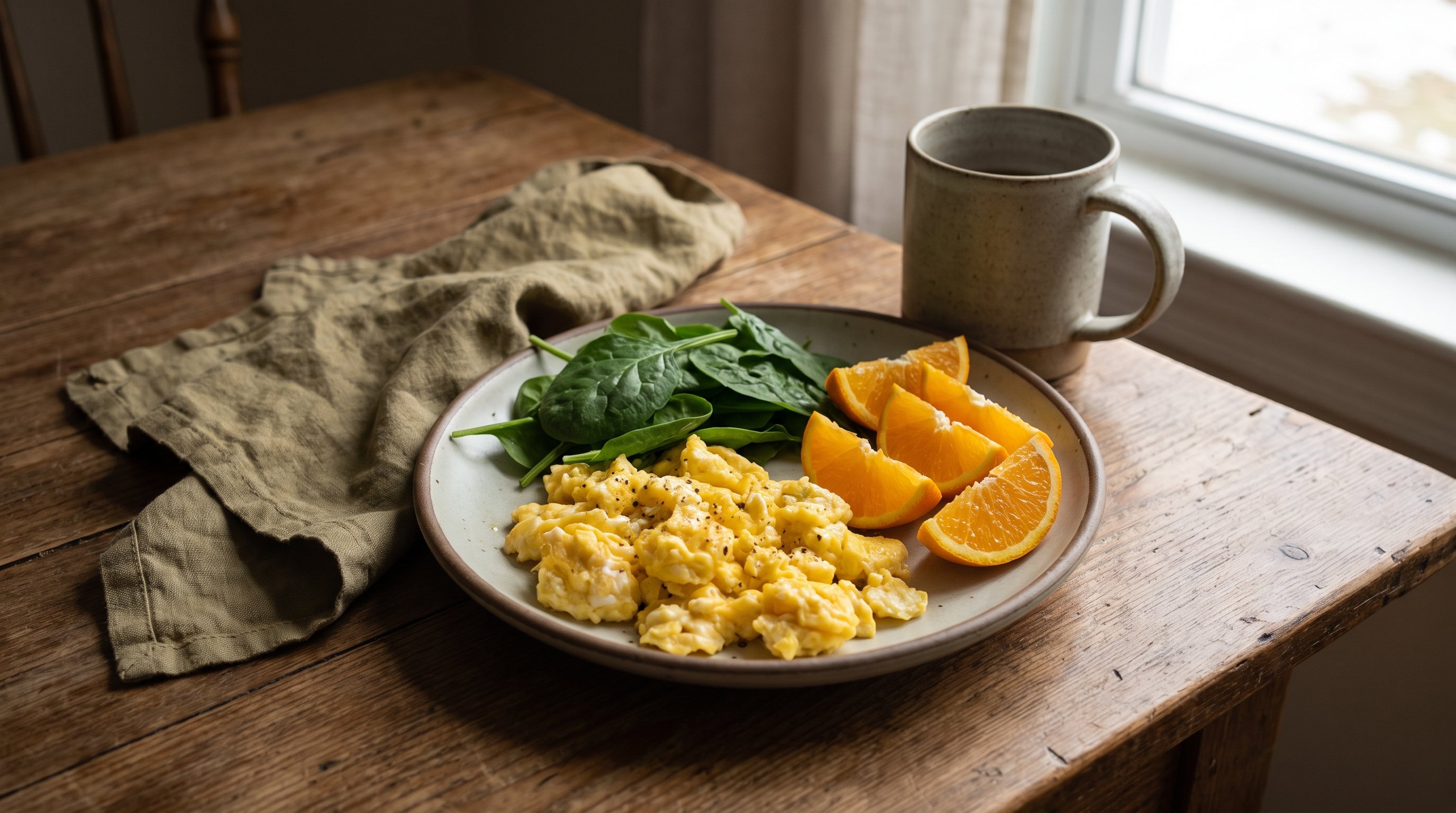
A Simple Day on a Plate
- Breakfast - eggs with spinach and a side of orange slices, covering protein and vitamin C together.
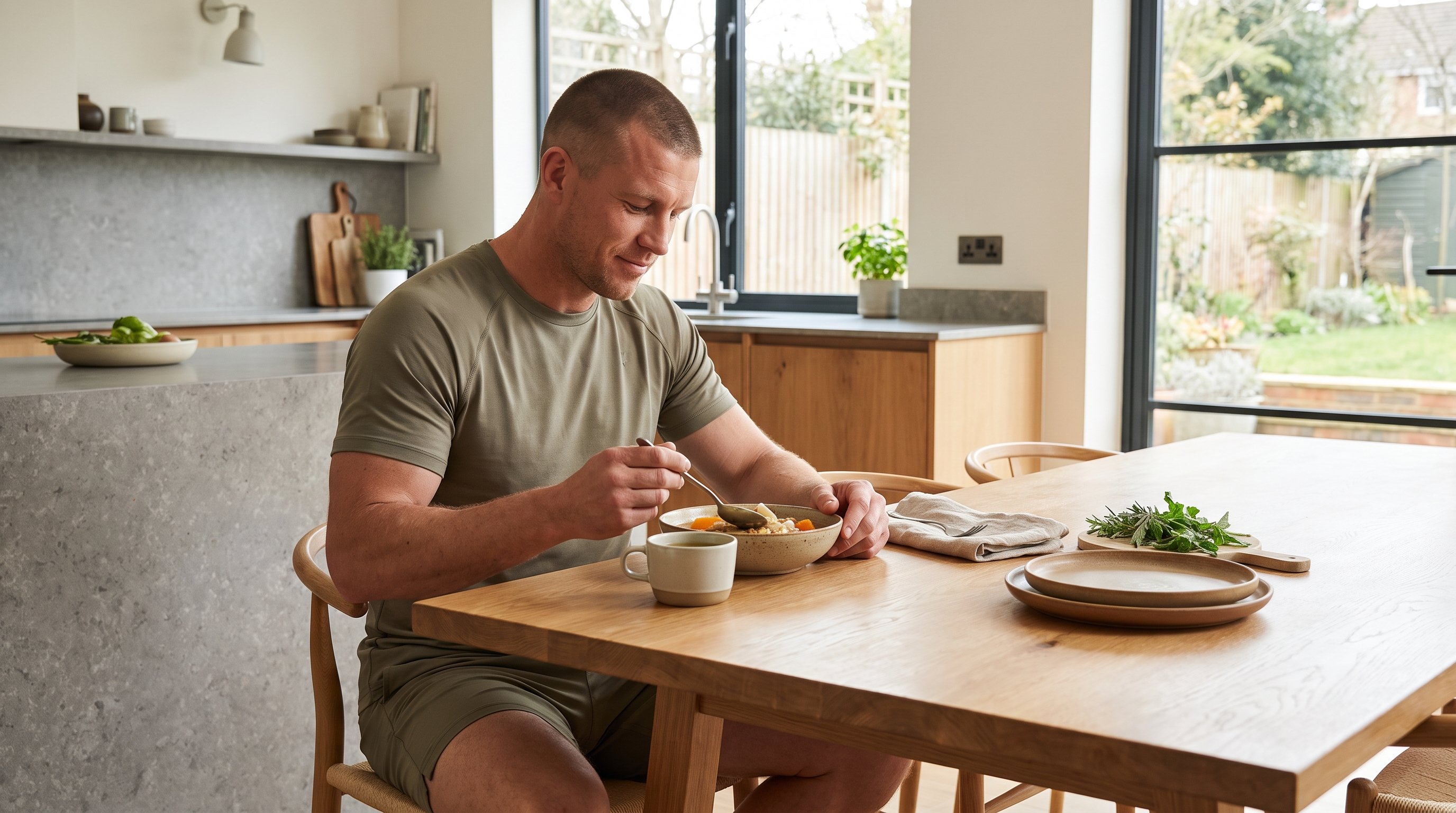
- Lunch - a bowl of bone broth-based soup with chicken and bell peppers.
- Dinner - grilled fish with a side salad including tomatoes and a squeeze of lemon.
Working Collagen-Rich Meals Into a Normal Week
Most people don't have time to make bone broth from scratch every day, and that's fine - canned or pre-made versions still count toward the same goal. The point is repetition, not perfection, so pick two or three meals a week where this is easy and build from there.
If keeping track of meals alongside hydration and movement feels like a lot to juggle, Nord Fascia's daily habit trackers keep hydration, step goals and wellness routines in one place, so the food side doesn't have to live in your head alone.
Pairing better food choices with a bit of structure around the rest of the day tends to make both easier to stick with.
What to Expect As Weeks Go By
This is where a lot of people quit - they don't see a fast change and assume it isn't working. Collagen-supportive eating is a background habit, not a short course of treatment, so expecting a quick visible shift sets you up to give up too soon.
Be vague about timing on purpose here, because nobody's body runs on the same clock. Staying consistent with the pattern matters more than watching for a specific week to arrive.
Mistakes That Quietly Undercut Collagen-Rich Eating
Loading Up on Protein but Skipping Vitamin C
Eating plenty of meat or dairy without any citrus, peppers or berries leaves half the process unsupported. Add a vitamin C source to the same meal instead of treating it as optional.
Treating Bone Broth As a Cure-All
Bone broth is one useful source among several, not a replacement for overall protein intake across the day. Use it alongside meals, not instead of them.
Expecting a Fast, Visible Result
Checking for change after a few days sets up disappointment because this is a slow, ongoing process. Judge progress by consistency of habit, not by what you see in the mirror this week.
Ignoring Overall Protein Needs
Focusing only on a handful of collagen-specific foods while under-eating protein overall limits what your body can actually build. Make sure total daily protein is covered first, then layer in the specific sources.
Supporting Collagen-Friendly Eating With Nord Fascia
Food is one half of supporting how your body looks and feels - the other half is what you do with your body day to day. Nord Fascia focuses on fascia release and mobility work, with guided exercise sessions designed to ease stiffness, support smoother-looking skin, and help reduce the appearance of cellulite alongside the food choices you're already making.
None of it requires a gym, a restrictive diet, or exhausting workouts - just short, guided sessions you can fit around meals and the rest of your day. Pairing that with collagen-supportive eating means you're covering both sides of the picture instead of relying on food alone.

Release Tension Naturally
Move With Ease Again
Making Collagen-Rich Eating a Lasting Habit
Start small: pick one meal this week where you pair a protein source with a vitamin C food, and repeat it until it's automatic. That one change is more useful than overhauling every meal at once and giving up after a few days.
If you want the food side paired with movement and mobility work that supports how your body feels day to day, Nord Fascia keeps the exercise side simple while you handle the plate.
FAQ
They support the raw materials your body needs to build its own collagen, rather than delivering collagen directly to skin or joints. Consistency over weeks matters more than any single meal.
Bone broth is a convenient source of some of the same building blocks, but it isn't required - regular protein and vitamin C foods cover the same ground. Use whichever fits your routine more easily.
Pre-made or canned options for broth, and simple pairings like eggs with citrus, still count and don't need from-scratch cooking. Small, repeatable choices beat an elaborate meal plan you can't keep up.
Collagen-related change happens in the background over time, not as a visible event you can point to on a given day. Pairing food habits with consistent movement, such as the guided sessions in Nord Fascia, supports the same goal from another angle while you keep at it.
Share this post