Foods High in Magnesium: How to Meet Your Daily Needs Naturally
By:Author:Nord Fascia Editorial
Updated on:October 16, 2026
- Does Eating More Magnesium Foods Actually Help?
- Magnesium-Rich Foods Versus a Daily Supplement
- Why Whole Food Swaps Beat Strict Supplement Routines
- Adjusting Magnesium Intake for Different Lifestyles
- Fitting Magnesium-Rich Meals Into a Real Week
- No, Magnesium Foods Will Not Fix Everything Overnight
- Pairing Magnesium-Rich Eating With Nord Fascia's Wellness Tools
- Building a Magnesium-Friendly Plate Week by Week
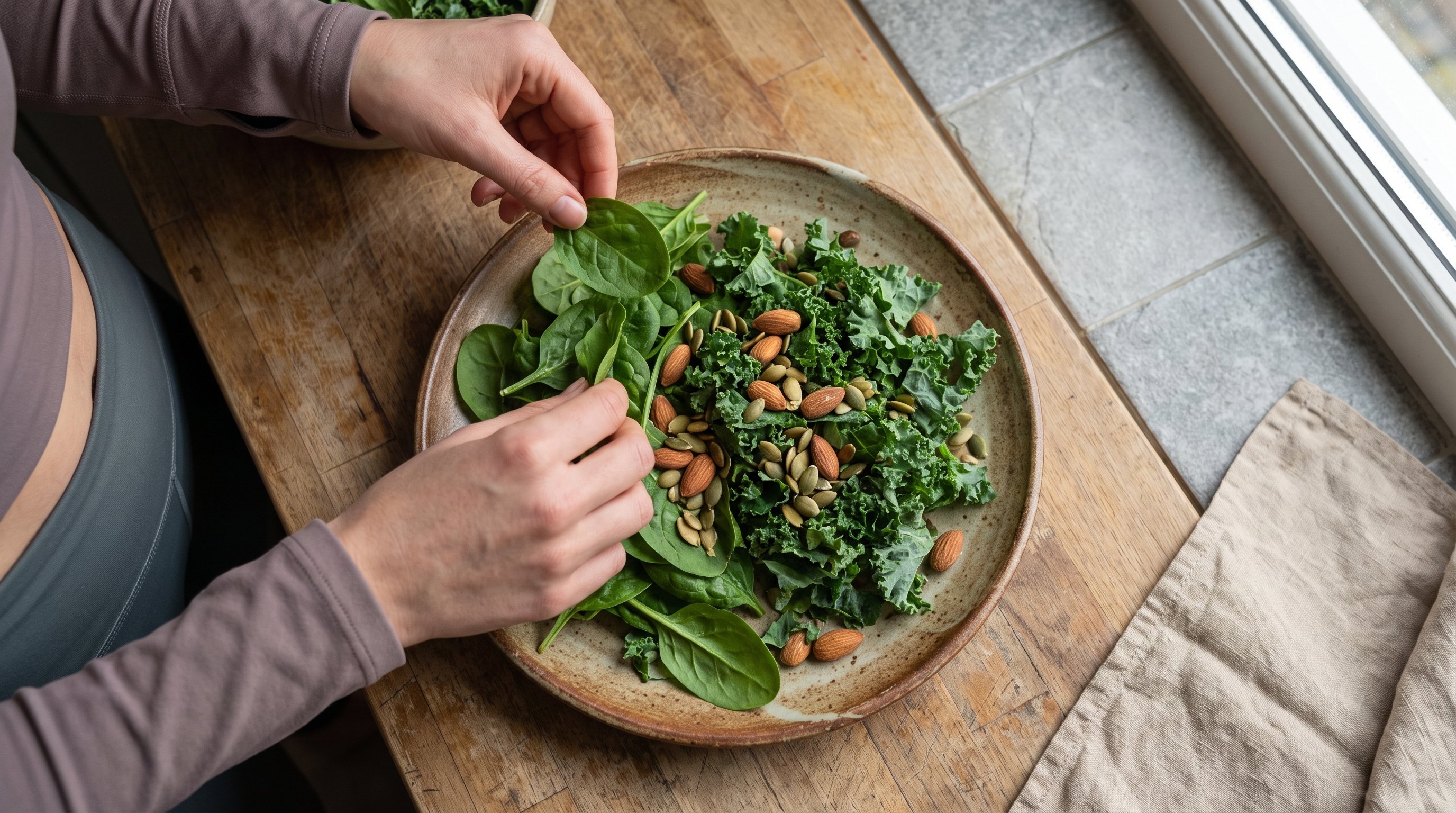
Foods high in magnesium include leafy greens, nuts, seeds, beans and whole grains - and most people can cover their needs by eating a handful of these regularly rather than reaching for a supplement first.
Magnesium is involved in muscle and nerve function, energy production, and keeping bones steady, which is why it shows up in so many different food groups rather than one single source.
This guide covers which foods actually carry the most magnesium, how much you realistically need, whether food or supplements make more sense, and how to fit this into a week that already feels full.
Does Eating More Magnesium Foods Actually Help?
The mechanism is straightforward: magnesium supports hundreds of processes in the body, and if someone is consistently falling short, topping it up through food is a sensible first move rather than a gimmick.
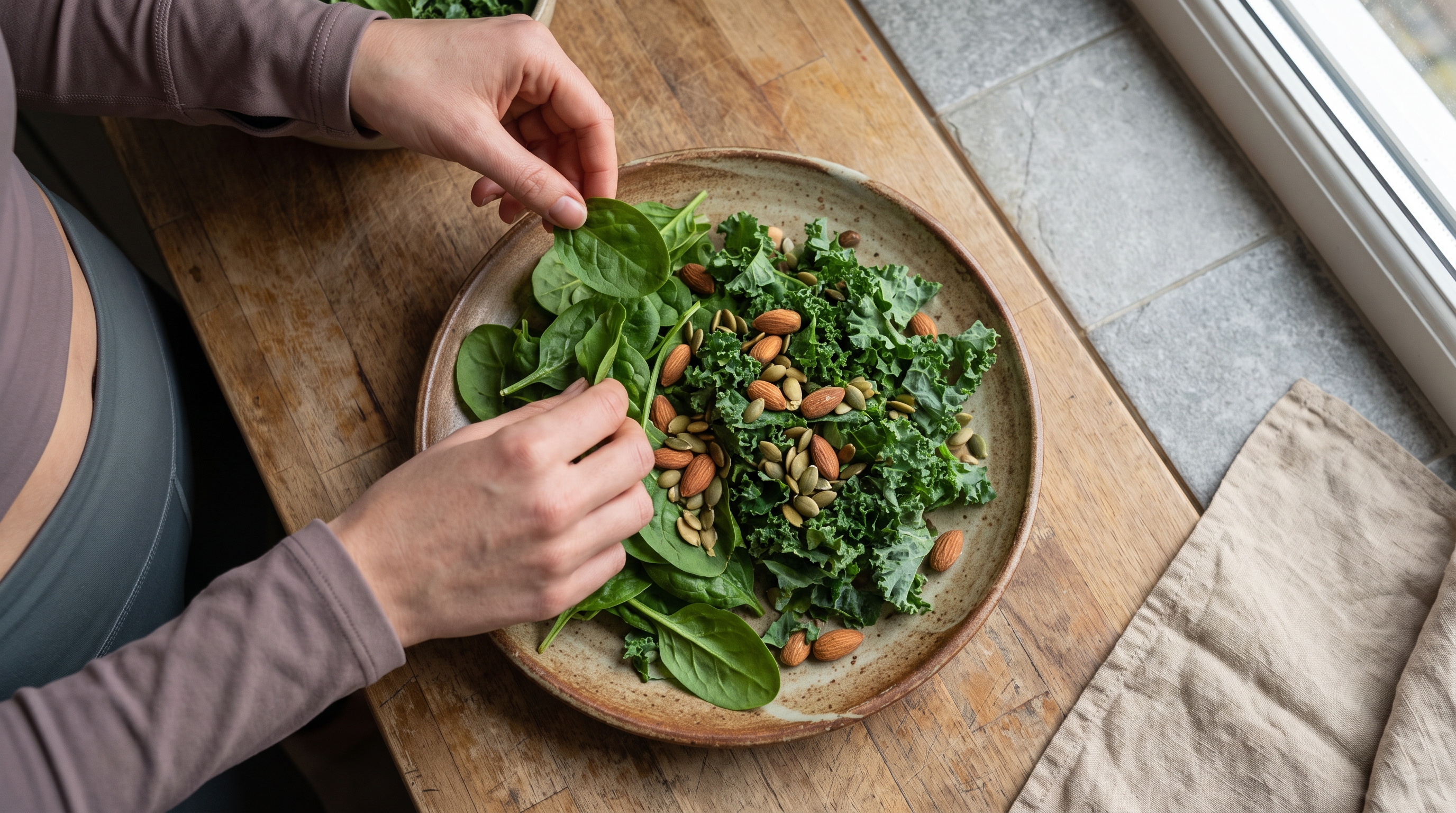
The honest arithmetic matters here too. A cup of cooked spinach carries a meaningful chunk of a daily target, a small handful of almonds adds more, and a serving of black beans or pumpkin seeds can close the rest of the gap without any single food doing all the work.
Why Variety Beats One 'Super Food'
No single ingredient is going to carry your whole daily need on its own, which is exactly why spreading intake across greens, nuts, seeds and legumes works better than fixating on one item.
Think of it as stacking small contributions across a day rather than hunting for one perfect food.
Magnesium-Rich Foods Versus a Daily Supplement
This is the decision most people are actually weighing: build meals around magnesium-rich whole foods, or take a supplement and not think about it too much.
Both can play a role, but they work differently and suit different lifestyles, so it helps to see them side by side before deciding.
| Source | Effort Needed | Typical Cost | What Else You Get |
|---|---|---|---|
| Leafy greens and veg | Cooking required | Low cost | Fibre and vitamins included |
| Nuts and seeds | No prep needed | Moderate cost | Healthy fats included |
| Beans and legumes | Some soak or cook time | Low cost | Protein and fibre included |
| Whole grains | Simple cooking | Low cost | Steady energy release |
| Supplement capsule | Minimal effort | Ongoing cost | No other nutrients added |
Food sources bring along fibre, protein and other nutrients that a capsule simply cannot replicate, which is the main argument in their favour.
Why Whole Food Swaps Beat Strict Supplement Routines
A strict supplement schedule sounds simple on paper, but it asks you to remember a pill every single day, forever, with no room for the habit to flex.
Swapping white rice for a handful of pumpkin seeds on a salad, or adding spinach to a pasta sauce, asks nothing extra of you because the meal was happening anyway.
That is the real argument for food first: it rides along with habits you already have, instead of adding a brand new one that has to survive a busy week on its own.

Supplements still have a place, particularly if someone cannot get enough variety into their meals, but as a daily default, food tends to stick around longer.
Adjusting Magnesium Intake for Different Lifestyles
If You're New to Tracking Nutrients
Start by adding one magnesium-rich food to a meal you already eat daily, like swapping white bread for a wholegrain version or adding a spoon of seeds to breakfast.
If You're Busy and Cooking Little
Lean on foods that need no prep at all - a small bag of almonds, a tin of beans stirred into a ready meal, or pre-washed spinach thrown into whatever is already cooking.
If You're Older and Eating Smaller Portions
Smaller plates mean every bite needs to count more, so nuts, seeds and beans are worth prioritising since they pack magnesium into a small volume of food.
If You Train Regularly
Magnesium supports normal muscle function, so it is worth paying attention to food variety across the week rather than assuming one big meal covers everything - and speak to a clinician if you suspect a deficiency rather than guessing.
Fitting Magnesium-Rich Meals Into a Real Week
None of this requires a kitchen overhaul. A weekly shop that includes one leafy green, one type of nut or seed, and one tin of beans covers most of the ground without any extra planning.
What tends to help more than the food itself is a bit of structure around the rest of your routine - knowing you have had enough water that day, or that you have hit a basic step goal, makes it easier to notice when energy dips and food choices might be part of the picture.
Nord Fascia's daily habit trackers cover hydration and step goals alongside wellness routines, so food choices sit inside a wider picture of how the day is actually going rather than existing in isolation.
That context is often what makes small dietary swaps stick, because they are not happening in a vacuum.
No, Magnesium Foods Will Not Fix Everything Overnight
It would be convenient if one food group solved fatigue, muscle tightness and sleep in a week, but that is not how nutrition works and nobody should promise it.
The body does not work on spot fixes either - eating more spinach will not target one muscle or one area of the body specifically, because magnesium gets used wherever the body needs it most.

The real answer is steadier than that: consistent intake over weeks and months, alongside normal sleep and movement, is what actually supports how the body functions day to day.
Pairing Magnesium-Rich Eating With Nord Fascia's Wellness Tools
Getting magnesium from food is one part of feeling less stiff and more energised, but movement plays its own role alongside it.
Nord Fascia offers hundreds of short guided exercise sessions built around fascia release and mobility, designed to ease stiffness and support steadier energy without needing a gym or a restrictive diet plan.
Alongside the exercises, the app's trackers, lifestyle challenges and specialist-curated article library give you a place to keep food, movement and daily habits connected instead of scattered across different apps or notebooks.
Release Tension Naturally
Move With Ease Again
Building a Magnesium-Friendly Plate Week by Week
Pick one meal this week and add a magnesium-rich food to it - spinach in the eggs, almonds on the porridge, black beans in the burrito - and let that be the whole plan for now.
Nord Fascia's habit trackers can sit alongside that one small swap, giving you a simple way to see whether the rest of your routine - water, steps, movement - is keeping pace with the food choices you are making.
FAQ
Pumpkin seeds and spinach tend to carry some of the higher amounts per typical serving among common foods, with nuts like almonds and legumes like black beans close behind. Spreading intake across a few of these across the week works better than relying on just one.
For most people eating a varied diet with greens, nuts, seeds and legumes, food can realistically cover daily needs without a supplement. Anyone concerned about a specific shortfall should speak to a clinician rather than guessing at a dose.
No particular timing is required - magnesium from food gets used by the body across the day regardless of when it is eaten. Spreading sources across meals simply makes it easier to hit a reasonable total.
Start with one small swap rather than overhauling every meal, since one consistent change beats a perfect plan that does not last. Nord Fascia's trackers and challenges can help keep that one swap visible alongside other daily habits, without demanding a big lifestyle change all at once.
Share this post