Foot Fascia Release: A Calm Way To Ease Sore Feet
By:Author:Nord Fascia Editorial
Updated on:October 23, 2026
- Can Rolling Your Foot Actually Change How It Feels?
- What Happens to Tissue When You Work the Sole
- How Often Sore Feet Actually Need This
- Rolling a Ball Beats Standing Through the Ache
- Where This Fits Around Shoes, Desks and Commutes
- No, This Won't Reshape Your Arch or Melt Anything
- What Actually Decides Whether Your Feet Feel Looser
- Habits That Quietly Undo Foot Fascia Progress
- Making Foot Fascia Release Part of a Daily Plan
- Giving Tired Feet a Few Minutes Tonight
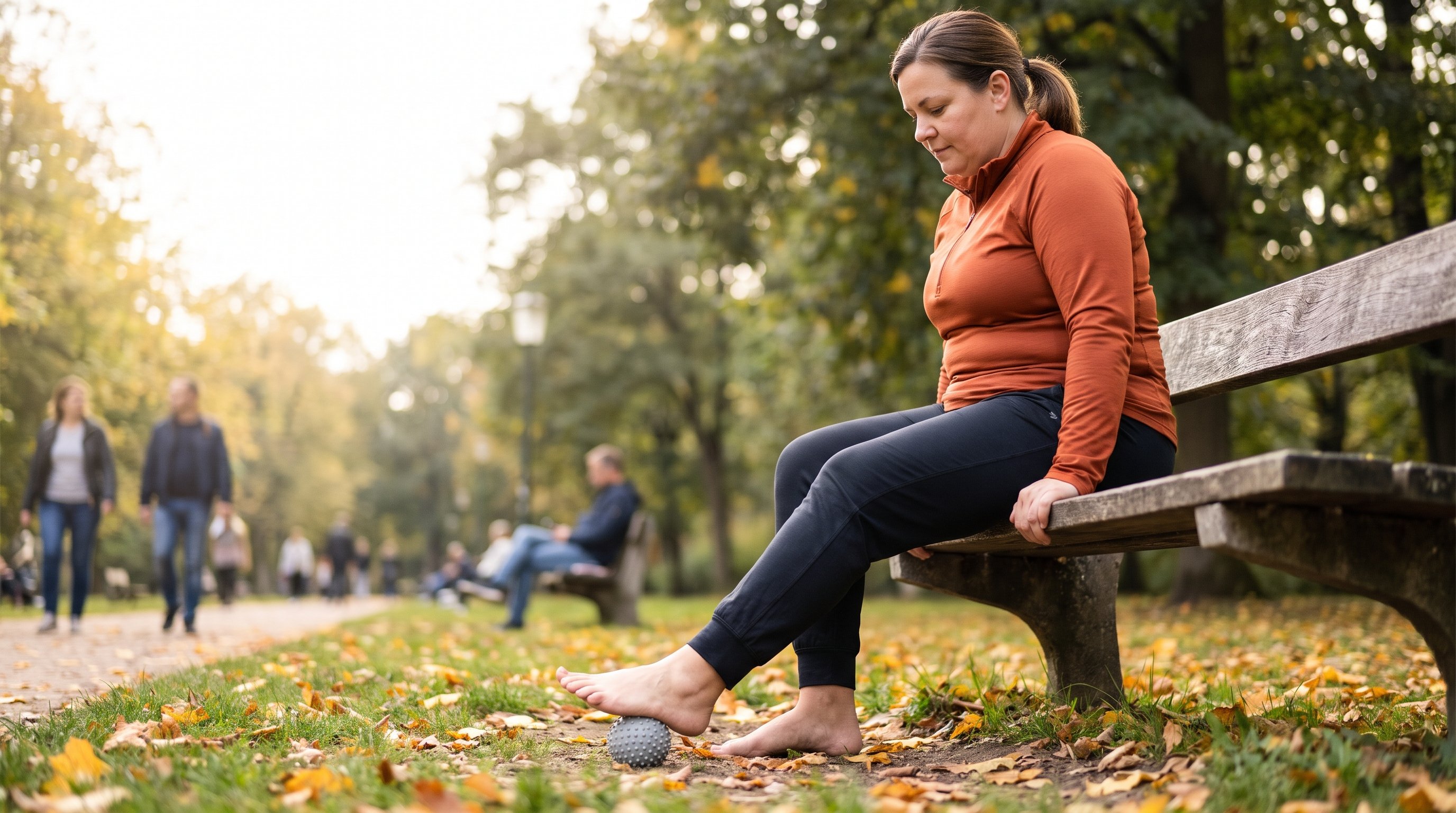
Foot fascia release means applying gentle pressure and movement to the connective tissue running along the sole of the foot, usually with a ball, a roller, or the hands. The goal is to encourage that tissue to glide more freely, which can ease stiffness and make the foot feel less tight after a long day standing or walking.
The mechanism is simple: fascia can feel bound up when it's not moved through its full range, and slow pressure plus movement gives it a reason to loosen rather than stay stuck in one position.
This article covers whether the practice does anything, how it works under the skin, how often to do it, where it fits into a normal day, and the mistakes that quietly cancel out the benefit.
Can Rolling Your Foot Actually Change How It Feels?
Yes, in the sense that it can change how stiff the tissue feels, not in the sense that it reshapes the foot or removes anything permanently.
The plantar fascia is a thick band of connective tissue running from the heel to the toes, and it sits right under skin and muscle where pressure can reach it directly.
Here's the honest arithmetic: a few minutes of slow pressure once or twice a day adds up to roughly the same total time as one longer session a week, but spread out it gives the tissue more frequent, smaller nudges rather than one big one, which is the more sustainable pattern for most people.
What Happens to Tissue When You Work the Sole
Two separate things are going on when you work the bottom of the foot, and it helps to understand each one on its own.
Pressure Encourages Layers to Glide
The sole has several layers of tissue stacked on top of each other, and pressure from a ball or thumb can help those layers slide against one another instead of sticking in place. That gliding is part of what makes a foot feel less tight once the pressure is released.
Movement Adds Range the Pressure Alone Cannot
Pressing on one spot while curling and uncurling the toes, or rolling the foot forward and back, takes the tissue through more positions than pressure alone ever could. That combination of hold and move is why guided sessions usually pair the two rather than using just one.
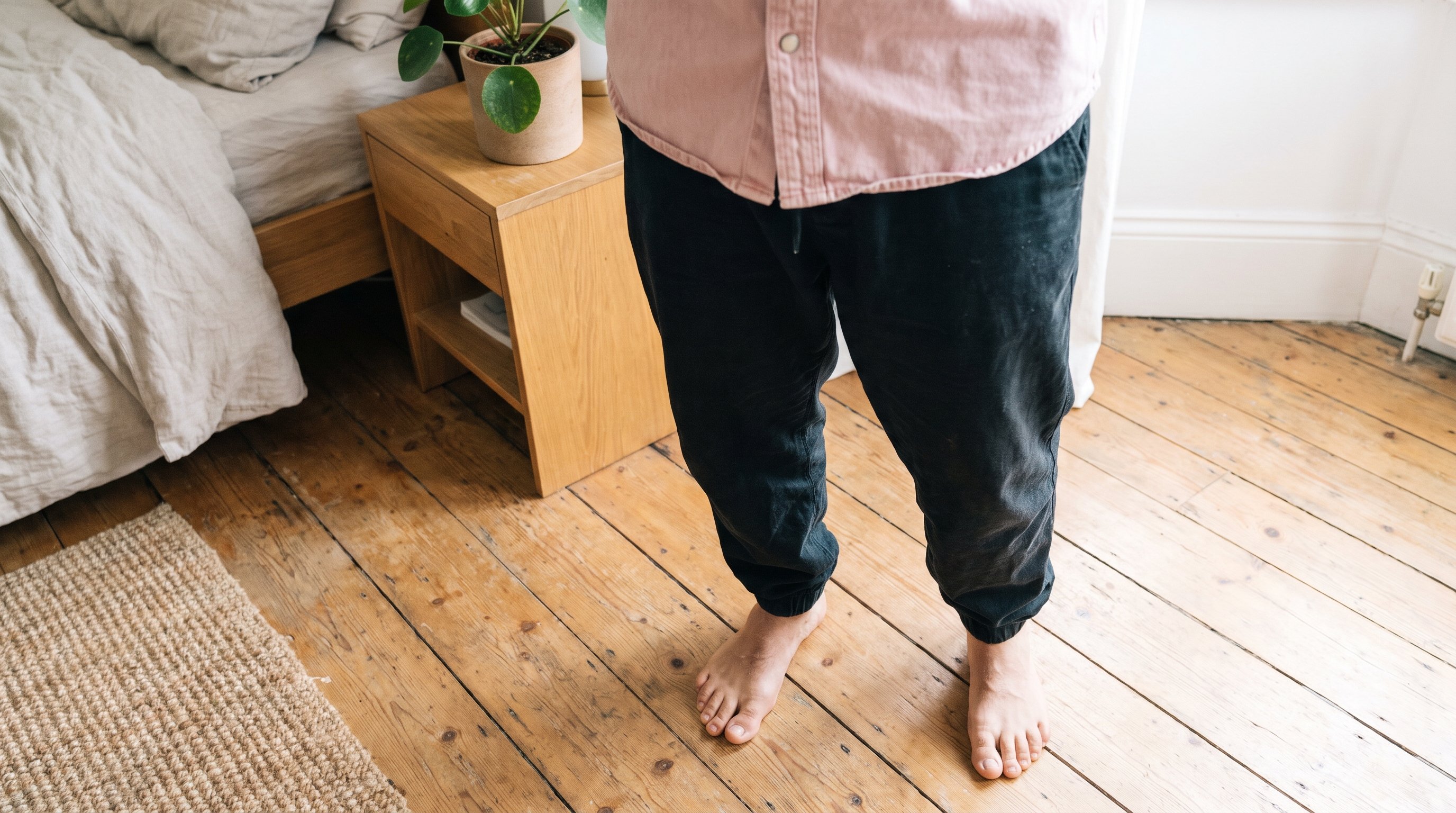
Neither step needs force. Slow and steady beats pressing as hard as possible, because the point is to give the tissue time to respond, not to overwhelm it.
How Often Sore Feet Actually Need This
Short and frequent beats long and occasional here, the same way a few minutes of daily stretching beats one marathon session on a Sunday.
A Simple Starting Frequency
A few minutes once a day is enough for most people to notice a difference in how the foot feels by evening, especially on days spent mostly on your feet. There's no need to do more than that just because a little helped.
| Time of Day | Focus | Suggested Length |
|---|---|---|
| Morning, before standing | Wake up the sole | 2 to 3 minutes |
| Midday break | Ease building tightness | 2 minutes |
| Evening, after work | Unwind the whole day | 3 to 5 minutes |
| Before bed | Calm the foot down | 2 minutes |
Rolling a Ball Beats Standing Through the Ache
The harder alternative here isn't a gym session, it's doing nothing and simply pushing through foot ache until the day ends.
That approach asks for willpower every single time the foot feels tight, and willpower runs out by mid-afternoon on a busy day.
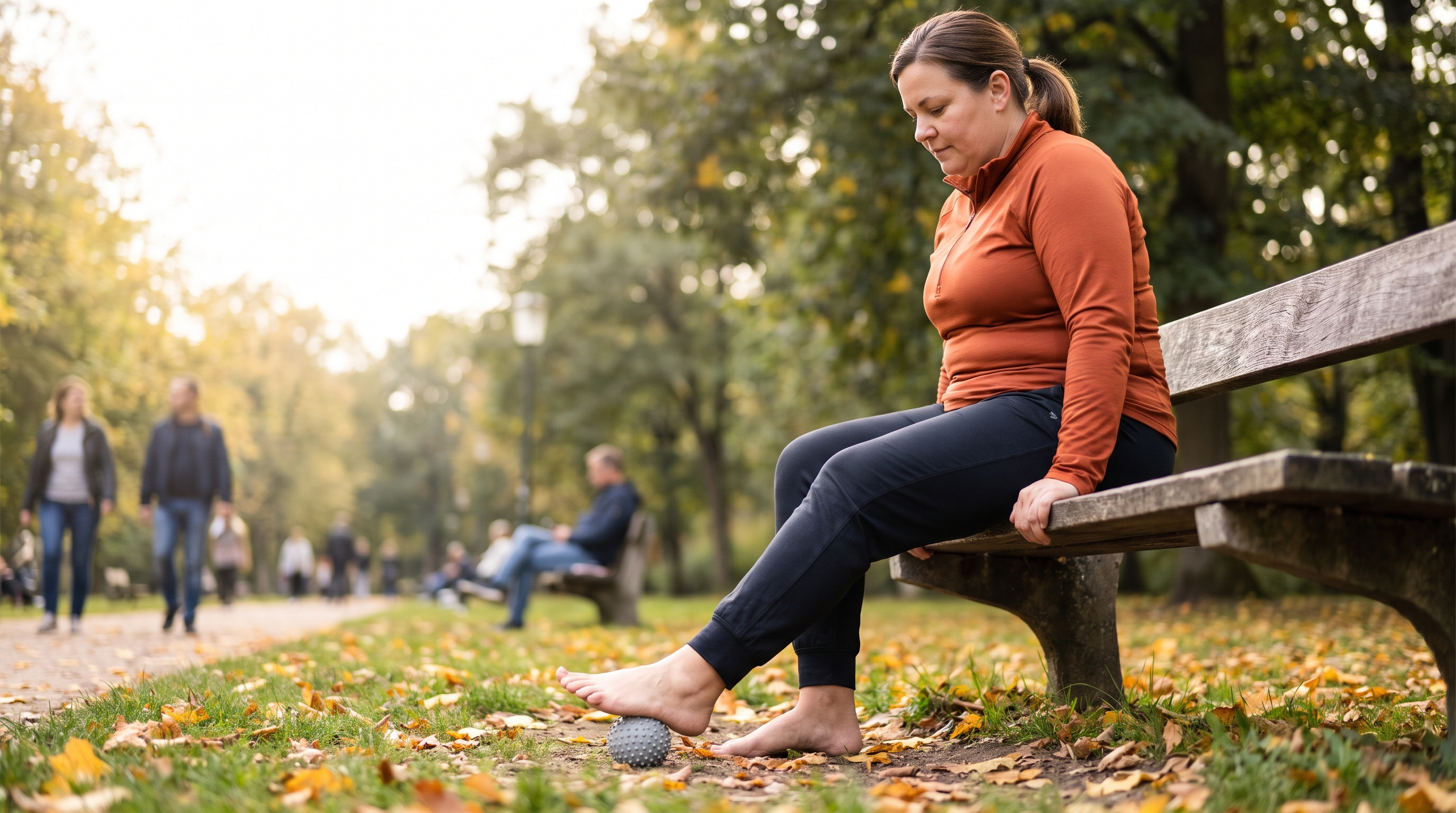
A short roll of the sole asks for almost nothing: no equipment beyond a small ball, no change of clothes, no trip anywhere, which is exactly why it's the version people actually keep doing.
Where This Fits Around Shoes, Desks and Commutes
Feet spend most of the day in shoes, under a desk, or moving through a commute, so any routine that demands a special setup tends to get skipped.
A foot routine that only needs bare feet and a small ball can happen under a desk during a call, on the floor while watching something in the evening, or sitting on the edge of a bed before standing up in the morning.
This is where a guided plan helps rather than guesswork: Nord Fascia lays out short, guided sessions aimed at exactly this kind of everyday stiffness, so there's no need to figure out which movement to do first.
No, This Won't Reshape Your Arch or Melt Anything
Some people hope foot fascia release will reshape the arch, fix a specific toe, or change the structure of the foot overnight. It won't, and it's worth saying plainly: the body doesn't let you target one spot and watch only that spot transform.
What it can realistically do is make the tissue along the sole feel less tight and the foot feel more comfortable to stand and walk on, over a period of consistent practice rather than one session.
If foot pain is sharp, sudden, or doesn't ease with rest, that's worth raising with a clinician rather than working through it alone.
What Actually Decides Whether Your Feet Feel Looser
Three things matter more than anything else for whether this practice makes a noticeable difference.
The Factors That Matter Most
- How often you show up - a couple of minutes daily beats a long session once a fortnight, because the tissue responds to repeated small nudges.
- How much time you spend on your feet - someone standing all day needs the habit more than someone mostly seated, simply because there's more load to unwind.
- Whether you pair pressure with movement - rolling a ball while curling the toes does more than sitting still on a ball, because movement adds range pressure alone cannot.
Habits That Quietly Undo Foot Fascia Progress
Pressing As Hard As Possible
More pressure doesn't mean more progress, and pressing too hard can just make the foot feel bruised the next day. Slow, moderate pressure held a little longer works better than a hard, quick jab.
Only Doing It Once a Week
One long session on a Sunday doesn't carry a tired foot through the rest of the week. Short daily sessions keep the tissue responding instead of tightening back up between sessions.

Ignoring the Rest of the Leg
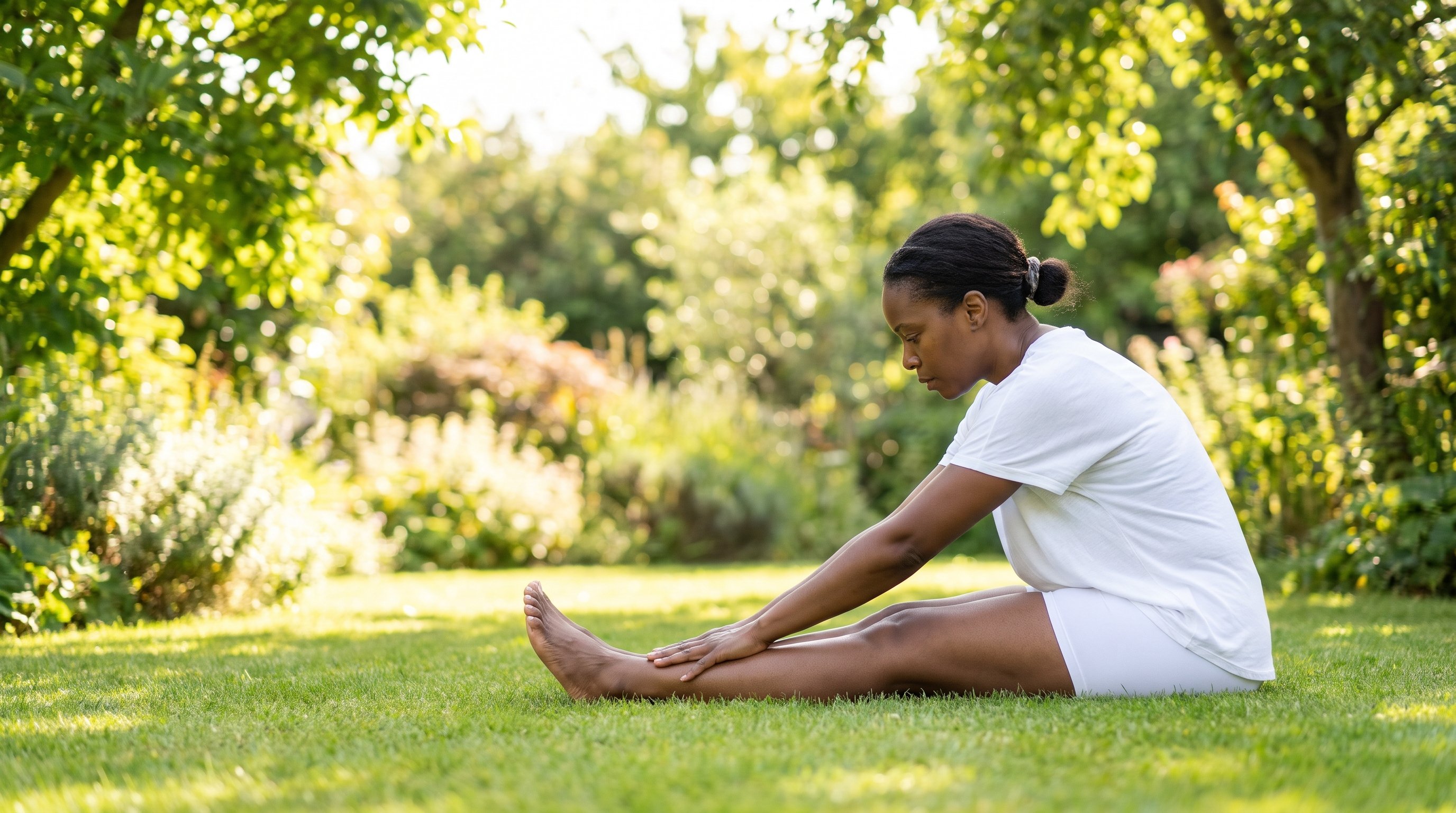
Feet don't work in isolation, and calves and ankles that stay tight can pull tension straight back into the sole. A quick stretch further up the leg supports whatever work is done on the foot itself.
Skipping It the Moment Shoes Change
Switching to flatter or stiffer shoes can make feet feel different fast, and that's exactly when the habit matters most, not when it gets dropped.
Making Foot Fascia Release Part of a Daily Plan
Knowing what to do is one thing, remembering to actually do it most days is the harder part, and that's usually where a structured plan earns its keep.
Nord Fascia offers hundreds of short guided sessions built around fascia release and mobility, including routines aimed at feet, legs, and the stiffness that builds up from a day spent standing or sitting.
Alongside the guided sessions there are daily habit trackers for things like step goals and hydration, lifestyle challenges to keep a routine interesting, and a specialist-curated article library, all without needing a gym or a restrictive diet to go with it.
Release Tension Naturally
Move With Ease Again
Giving Tired Feet a Few Minutes Tonight
Sore, tight feet at the end of the day are common, and a few minutes of slow pressure and movement is a reasonable, low-effort way to respond to that rather than ignoring it until it builds up.
Start small tonight: a ball under the sole for two or three minutes while sitting down is enough to begin, and Nord Fascia can take it from there with guided sessions built for exactly this kind of stiffness.
FAQ
Some people notice a looser feeling right after a session, but lasting change tends to build gradually with daily practice rather than appearing after one go. Staying consistent matters more than any single session.
Calf stretching helps the muscle above the ankle, while fascia release works the connective tissue directly under the sole, so they target different areas even though both support the same foot. Doing both tends to cover more ground than either alone.
Hands and thumbs can do the same job, just with more effort from the person doing it, and a rolled-up towel or a water bottle can stand in for a ball in a pinch. The tool matters less than the slow pressure and movement itself.
Most people drop off when the routine feels like one more thing to remember on top of everything else in the day. Nord Fascia's short guided sessions and trackers are built to sit inside a normal routine rather than add a separate chore to it.
Share this post