Hip Mobility Exercises: Free Up Stiff Hips in Minutes a Day
By:Author:Nord Fascia Editorial
Updated on:October 16, 2026
- Steps to Loosen Stiff Hips Without Overthinking It
- How Often Hip Mobility Work Actually Pays Off
- Working Hip Mobility Into a Day You Already Have
- A Four-Stage Plan to Build Hip Mobility Gradually
- What to Expect As Hip Stiffness Starts to Ease
- Habits That Quietly Keep Hips Stiff
- Making Hip Mobility Exercises With Nord Fascia a Routine
- Keeping Hip Mobility Work Going Past the First Try
Hip mobility exercises work by moving the joint through its full range on a regular basis, which keeps the surrounding muscles and connective tissue from settling into a shortened, tight position.
Hips are a ball-and-socket joint built to rotate, extend and flex in several directions, but most days only ask them to do one thing: sit at ninety degrees. Over time the tissue around the joint adapts to that single position, and the first time you try to squat deep or step over something, the hip simply does not want to cooperate.
This guide covers the steps to loosen stiff hips, how often to actually do the work, a simple starter plan, where most people quit, and the mistakes that quietly cancel out progress.
Steps to Loosen Stiff Hips Without Overthinking It
There is no need for a complicated warm-up ritual. A short sequence done consistently beats a long one done occasionally.
A Simple Sequence to Follow
- Start with a gentle hip circle - stand tall and draw slow circles with one knee lifted, then switch sides.
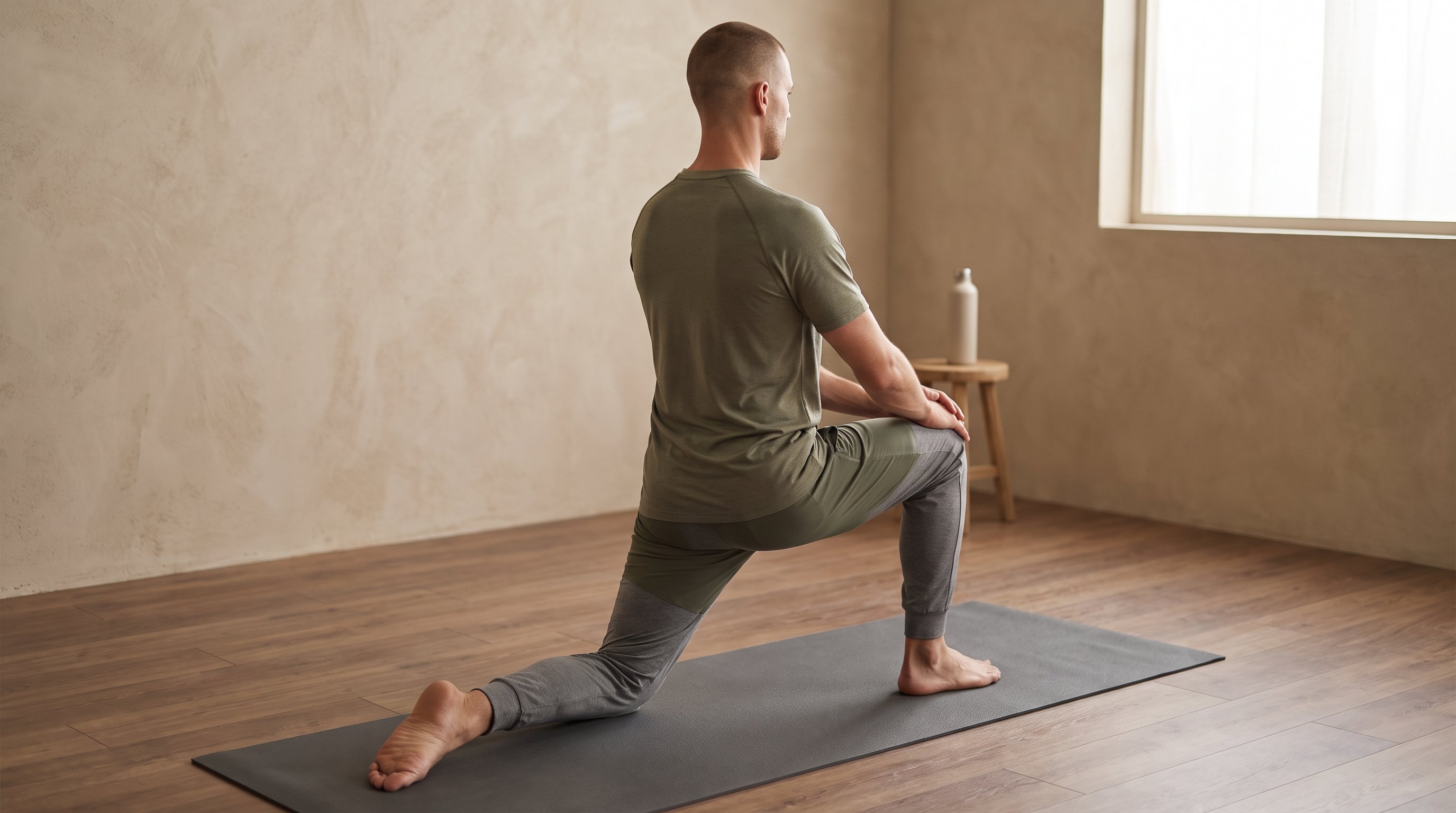
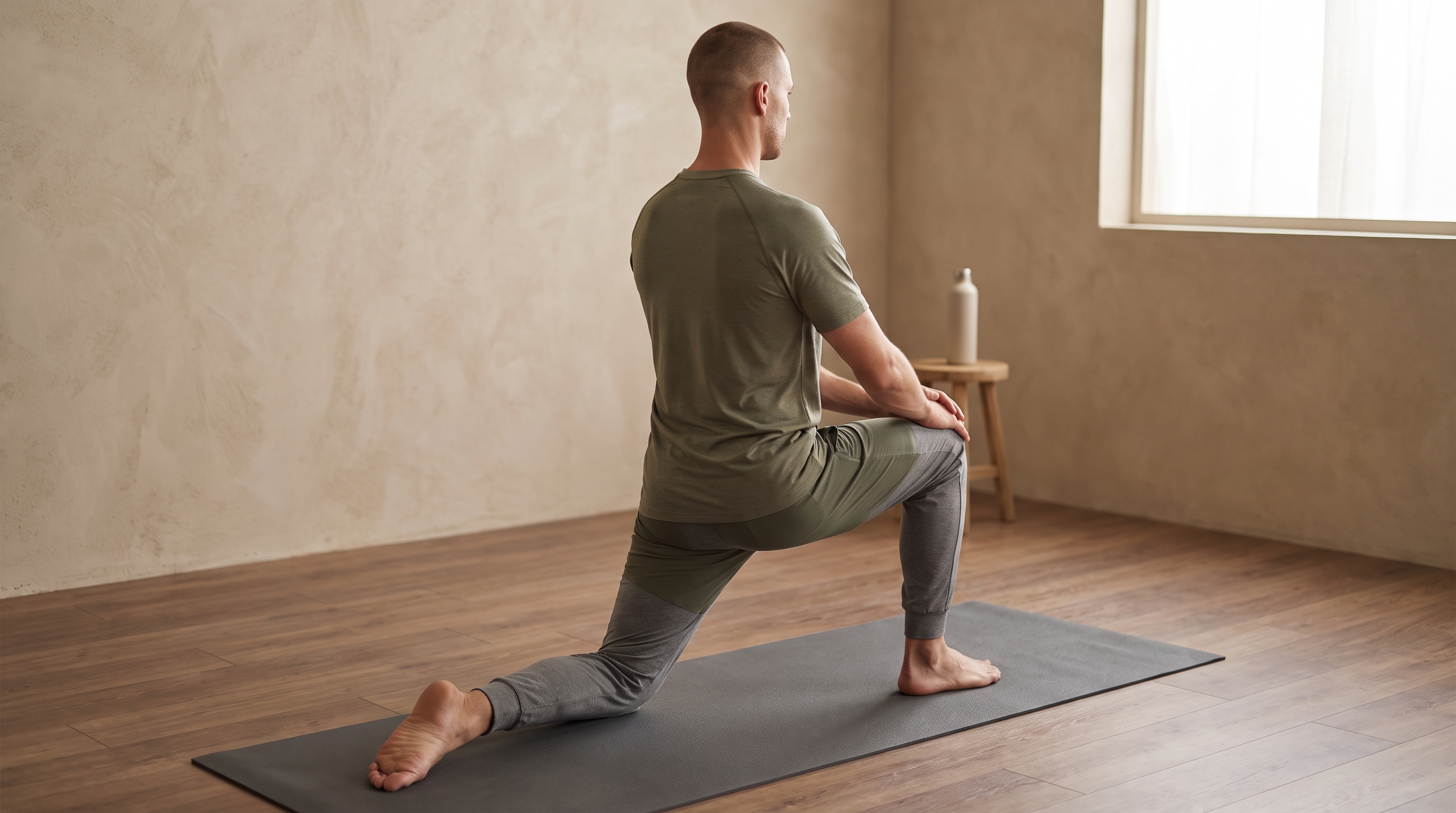
- Move into a kneeling hip flexor stretch - drop one knee to the floor, push the hips forward gently, and hold.
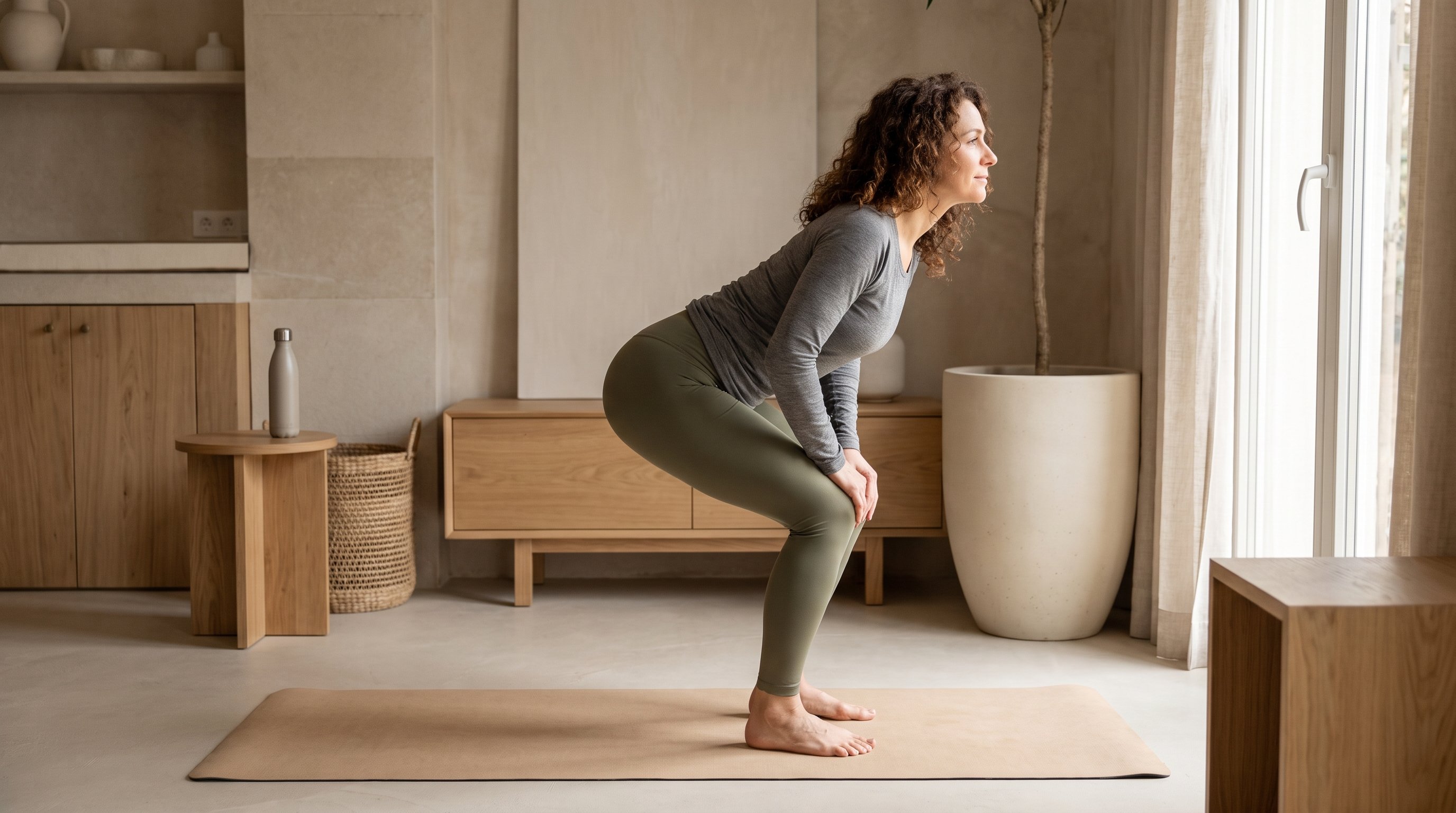
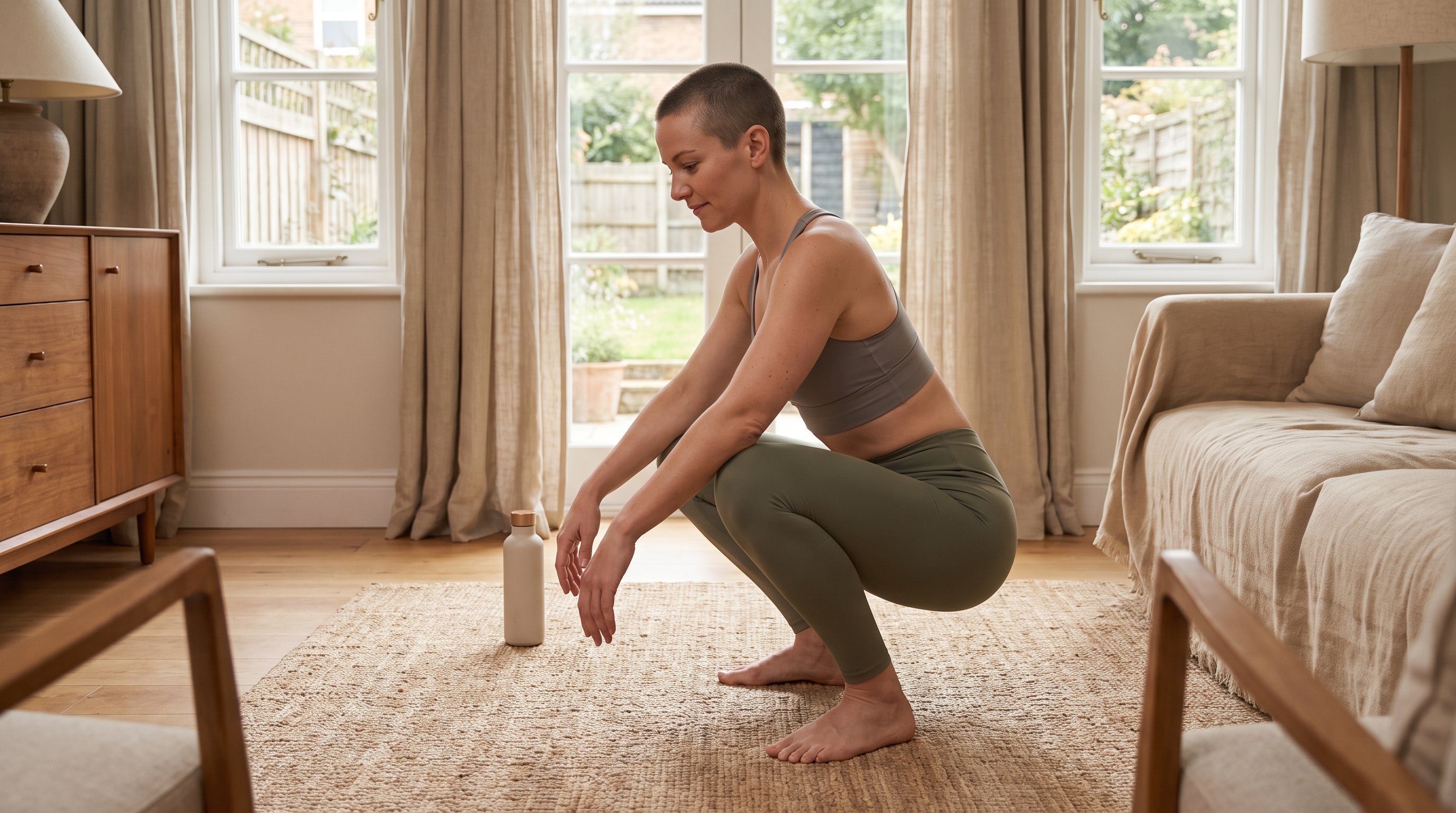
- Add a deep squat hold - lower into a squat you can control, keep your heels down, and let the hips open.
- Work through a figure-four stretch - lying down, cross one ankle over the opposite knee and pull the lower leg toward you.
- Try a 90/90 hip switch - sit with both knees bent at right angles and rotate from one side to the other.
- Finish with a standing fire hydrant - holding onto something stable, lift one knee out to the side and lower it slowly.
- Walk for a minute or two - easy movement afterward helps the joint settle into its new range.
How Often Hip Mobility Work Actually Pays Off
Finding a Frequency That Sticks
Short, frequent sessions tend to beat one long stretch session a week, because the hips respond to repeated signals rather than a single intense push.
Below is a rough guide for fitting hip mobility exercises into a normal schedule, based on how much stiffness you are dealing with.
| Your Situation | Suggested Frequency | Rough Duration |
|---|---|---|
| Sit most of the day | Short session daily | 5 to 8 minutes |
| Active job, some stiffness | Four times a week | 5 minutes |
| Training or sport regularly | Before each session | 3 to 5 minutes |
| Recovering from a stiff spell | Twice daily, short bouts | 2 to 3 minutes each |
| Maintenance only | Three times a week | 5 minutes |
Working Hip Mobility Into a Day You Already Have
Hip mobility work does not need a dedicated block of gym time or a change of clothes. A kneeling stretch next to the bed, a deep squat hold while waiting for the kettle, or a 90/90 switch in front of the television all count.
The trick is attaching the movement to something you already do, so it stops being an extra task and becomes part of the routine. This is where a structured plan helps rather than hurts, and it is the first thing guided mobility apps are built around: short sessions that slot into a normal day instead of demanding a gym membership or a block of free time.
Having the sequence laid out for you also removes the guesswork of which stretch to do and for how long, which is often the real reason a good habit does not survive its first busy week.
A Four-Stage Plan to Build Hip Mobility Gradually
The order of this plan matters more than the exact numbers. Each stage builds on comfort gained in the one before it.
| Stage | Focus | Example Movements |
|---|---|---|
| Stage 1 | Gentle range of motion | Hip circles and standing fire hydrants |
| Stage 2 | Static holds for length | Kneeling hip flexor stretch, figure-four stretch |
| Stage 3 | Controlled depth | Deep squat holds, 90/90 switches |
| Stage 4 | Combining movement with daily life | Short sequence before walks or stairs |
What to Expect As Hip Stiffness Starts to Ease
Hip mobility does not change overnight, and anyone promising an exact number of days is guessing. What tends to happen first is small: getting out of the car feels less stiff, or a deep squat feels less like a negotiation.
This is usually where people quit, right before the small changes start to add up, because the early sessions feel like nothing is happening. Sticking with a short daily routine through that flat stretch is the part that actually determines whether the hips loosen up or stay exactly where they started.
Habits That Quietly Keep Hips Stiff
Stretching Only When It Already Hurts
Waiting for stiffness to show up before doing anything means you are always playing catch-up. A short daily routine, done whether or not the hips feel tight, works better than reactive stretching.
Skipping the Warm-Up Before Deep Stretches
Dropping straight into a deep squat hold on cold hips can feel uncomfortable and puts people off the whole routine. A minute of hip circles or marching on the spot first makes the rest of the sequence easier.

Only Moving in One Direction
Hips flex and extend all day but rarely rotate, so a routine that skips rotation leaves part of the joint untouched. Mixing in a 90/90 switch or a gentle hip circle covers the range that sitting never does.
Expecting One Long Session to Fix Months of Sitting
A single long stretch on a Sunday does not undo five days of sitting at a desk. Shorter sessions spread across the week reach the joint more often, which is what actually matters.
Making Hip Mobility Exercises With Nord Fascia a Routine
Knowing the right stretches is one thing, remembering to do them on a Tuesday evening after a long day is another. This is the gap Nord Fascia is designed to close, with short guided exercise sessions you can follow without having to plan your own sequence from scratch.
Alongside the guided sessions, Nord Fascia includes daily habit trackers so you can see whether the hip work is actually happening, plus a hand-selected list of challenges if you want a bit of structure around building the habit. There is also a specialist-curated article library and audio and video content, so the guidance does not stop at the stretch itself. None of it requires a gym or a restrictive diet, just a few minutes you already have in the day.
Release Tension Naturally
Move With Ease Again
Keeping Hip Mobility Work Going Past the First Try
Pick one stretch from the sequence above and attach it to something that already happens every day, like brushing your teeth or putting the kettle on. That single anchor habit is more likely to survive a busy week than a plan that depends on finding spare time.
Hip mobility exercises are simple on paper and easy to drop in practice, which is exactly why a guided structure can help the habit outlast the first fortnight. Start small, stay consistent, and let the range of motion come back on its own timeline.
FAQ
Moving the hip joint through its full range on a regular basis keeps the surrounding tissue from settling into a shortened position, which is what causes a lot of day-to-day stiffness. It will not happen from a single session, but repeated short sessions tend to make a noticeable difference over time.
No single set of exercises reshapes a body part or guarantees a posture change, and anyone claiming otherwise is overselling it. What these movements can do is restore range of motion the joint already has but has stopped using.
A couple of minutes attached to something you already do, like a kneeling stretch before bed, counts and adds up over the week. Apps like Nord Fascia build sessions short enough to fit into those small gaps rather than requiring a dedicated block of time.
Yes, hips respond to repeated movement signals, so a few days without any work can bring some of the tightness back. Speak to a clinician if the stiffness comes with sharp pain, swelling, or does not ease with gentle movement.
Share this post