Knee Mobility Exercises: How to Ease Stiffness in Real Life
By:Author:Nord Fascia Editorial
Updated on:October 16, 2026
- Do Knee Mobility Exercises Actually Help?
- How Knee Mobility Work Actually Loosens Things Up
- How Often Knee Mobility Work Is Worth Doing
- Short Daily Movement Beats One Long Weekly Session
- Working Knee Mobility Into a Day You Already Have
- No, You Cannot Fix a Knee Overnight
- What Actually Decides Your Knee Mobility Progress
- Mistakes That Keep Knee Stiffness Around
- Building Knee Mobility Exercises Into a Nord Fascia Routine
- Keeping Knee Mobility Steady Past the First Attempt
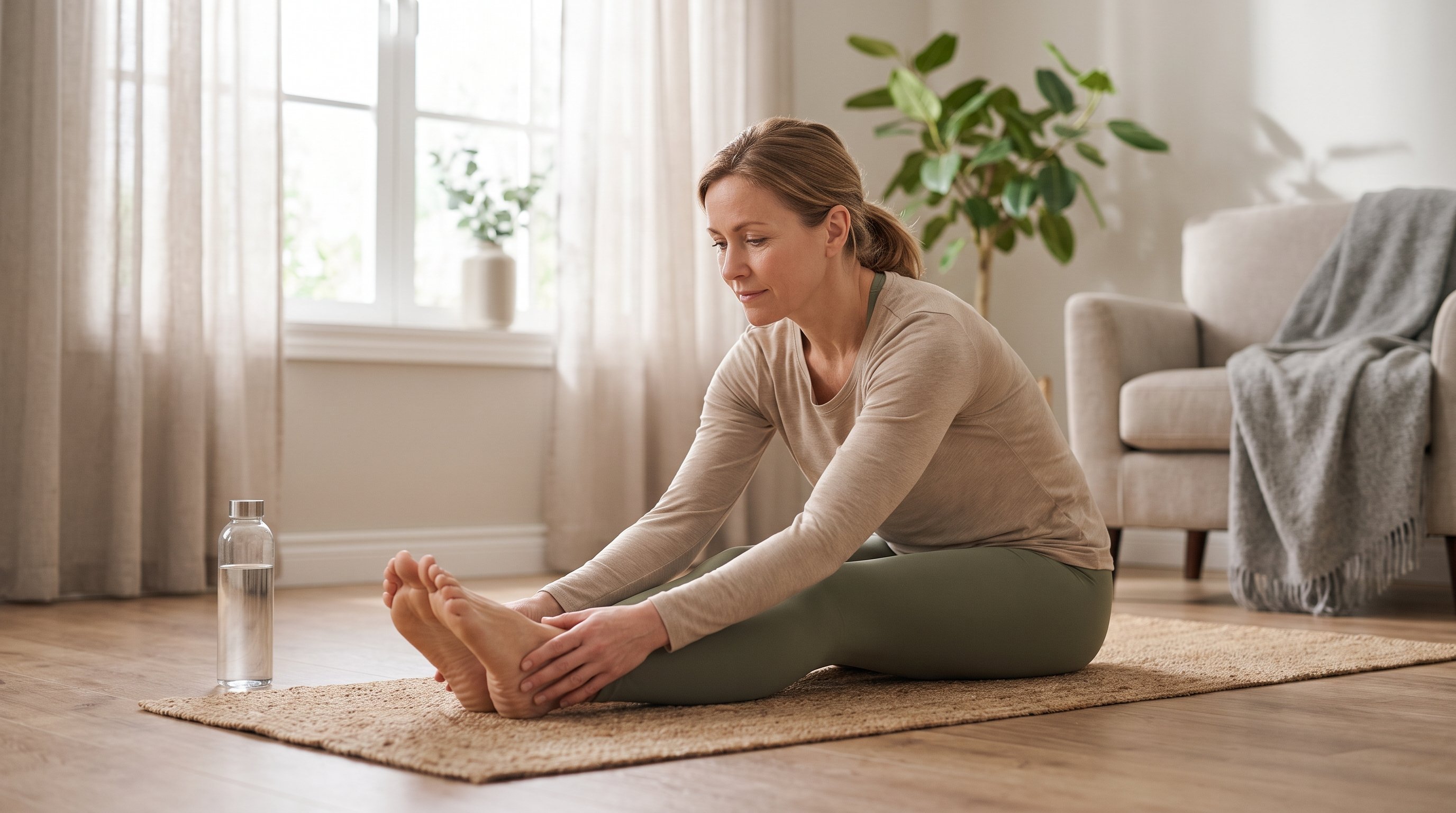
Stiff knees usually come from tissue around the joint that has gotten used to a narrow range of motion, not from damage you need to worry about. Moving the joint through its available range, little and often, is what coaxes that range back.
The knee is a hinge joint surrounded by tendons, ligaments and fascia, and all of that tissue adapts to whatever you ask of it. Sit for most of the day and the tissue shortens up to match - stand and move through a fuller range and it gradually adjusts the other way.
This guide covers whether knee mobility exercises actually do anything, how the mechanism works, how much and how often to do them, and the mistakes that quietly cancel out the effort.
Do Knee Mobility Exercises Actually Help?
Yes, within reason - moving a joint through its range regularly keeps the surrounding tissue pliable, and that is most of what mobility work is doing.
The knee does not work in isolation. It is squeezed between the hip and the ankle, and stiffness in either of those often shows up as tightness around the knee instead.
Here is the arithmetic. If a few minutes of deliberate bending, straightening and light rotation each day nudges the surrounding tissue toward its full range, then skipping that for weeks leaves the tissue exactly where it was - no better, no worse, just unused.
That is the whole case for doing it: not a cure, not a dramatic fix, just steady use of a range you already have.
How Knee Mobility Work Actually Loosens Things Up
The Joint Needs Its Full Range Used Regularly
Cartilage and the fluid around the knee joint rely on movement to stay distributed properly, so a joint that only ever moves through a small arc - sitting to standing, nothing more - starts to feel tight at the edges of its range it rarely visits.
Fascia and Tendons Around the Knee Shorten Without Use
The fascia wrapping the quadriceps, hamstrings and calf muscles all cross or influence the knee, and when that tissue gets tight from inactivity, it pulls on the joint and limits how far it comfortably bends or straightens.
How Often Knee Mobility Work Is Worth Doing
Short and frequent beats long and occasional here, mostly because tissue responds to consistent signals rather than one big push.
A Simple Weekly Shape
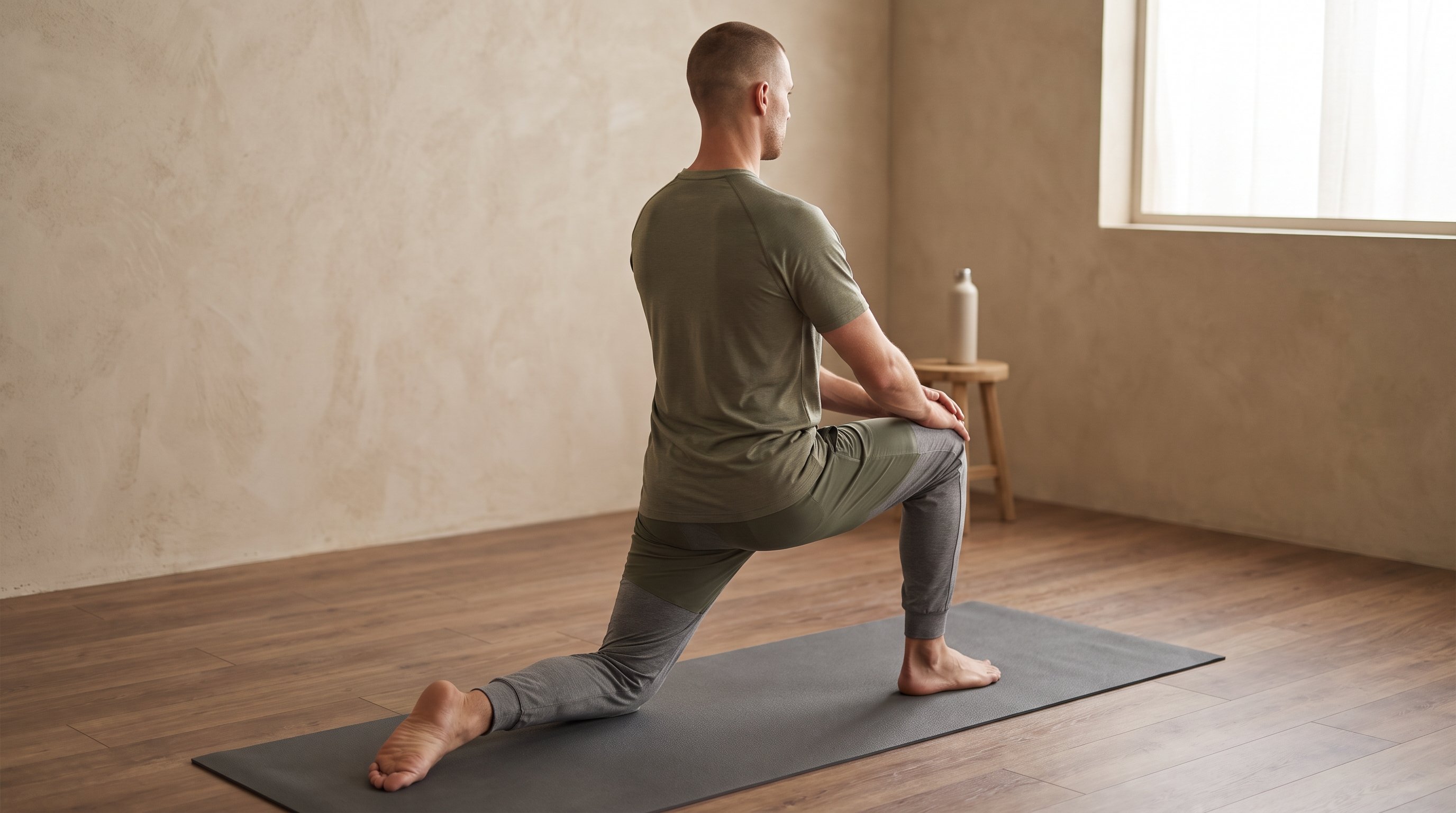
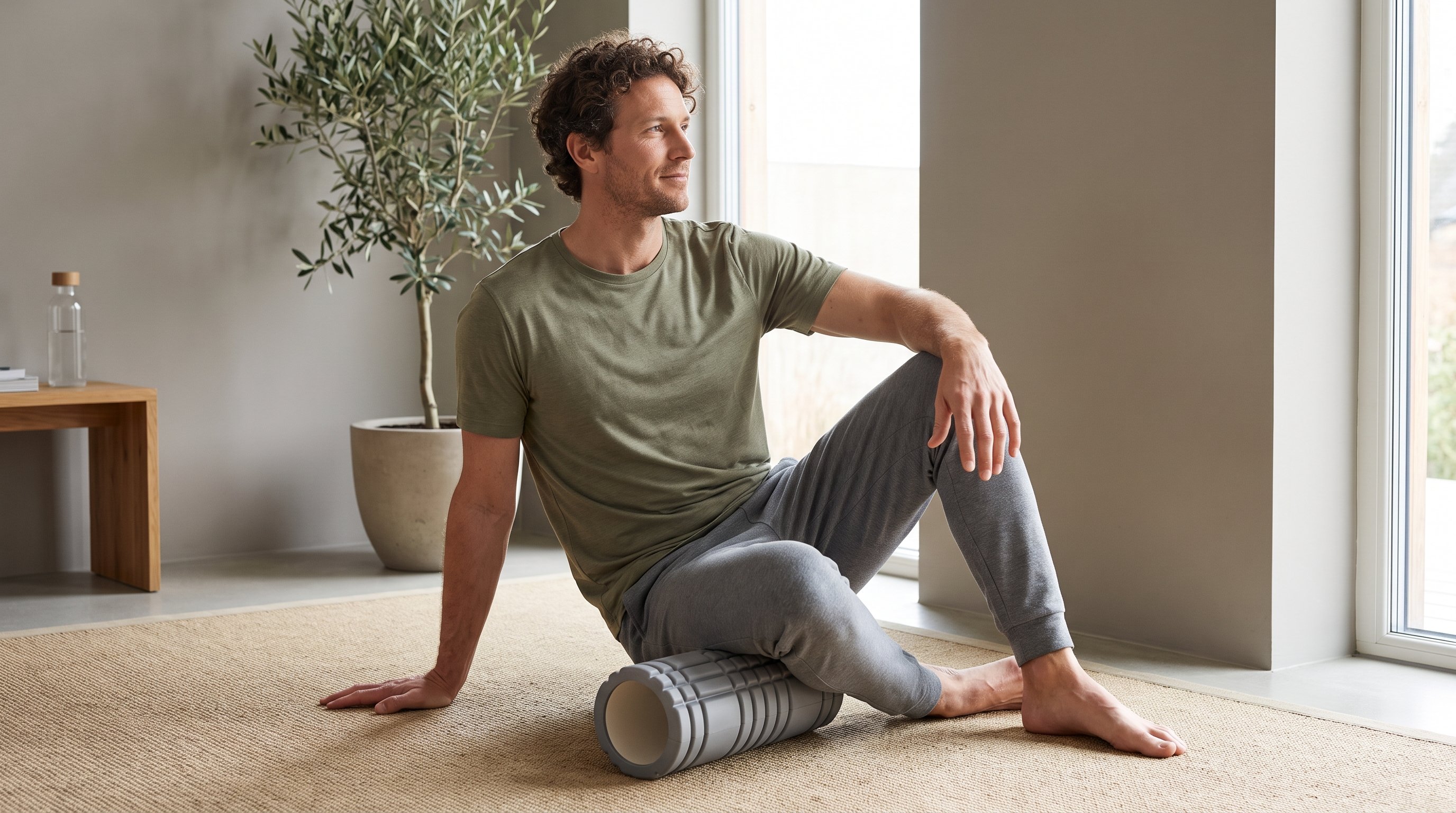
A few minutes most days, built around a small handful of movements, is a realistic target - the table below gives a shape you can copy without overthinking it.
| When | Focus | Time |
|---|---|---|
| Most weekdays | Bend, straighten, circles | 3 to 5 minutes |
| Before a walk | Light knee circles | 1 to 2 minutes |
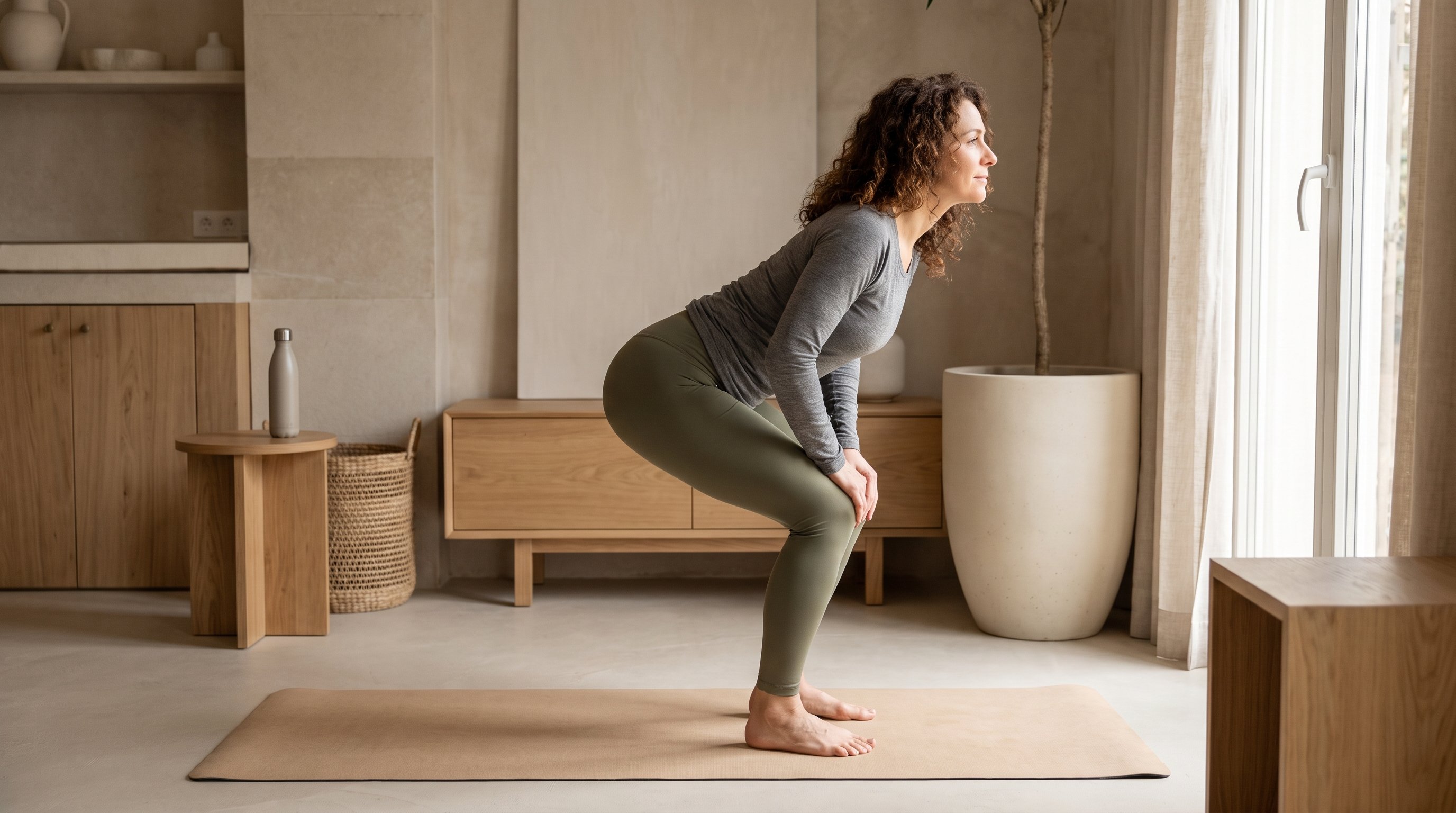
| After sitting long | Standing knee bends | 2 minutes |
| Weekend | Slower full routine | 8 to 10 minutes |
None of this needs to feel like a workout - it is closer to the stretching a cat does after a nap than anything that leaves you sweating.
Short Daily Movement Beats One Long Weekly Session
Picture two approaches: five minutes of knee mobility work most days, versus one 40-minute mobility session crammed in on a Sunday.
The daily version wins on adherence alone - five minutes rarely gets skipped, while a 40-minute block competes with everything else on a Sunday and often loses.
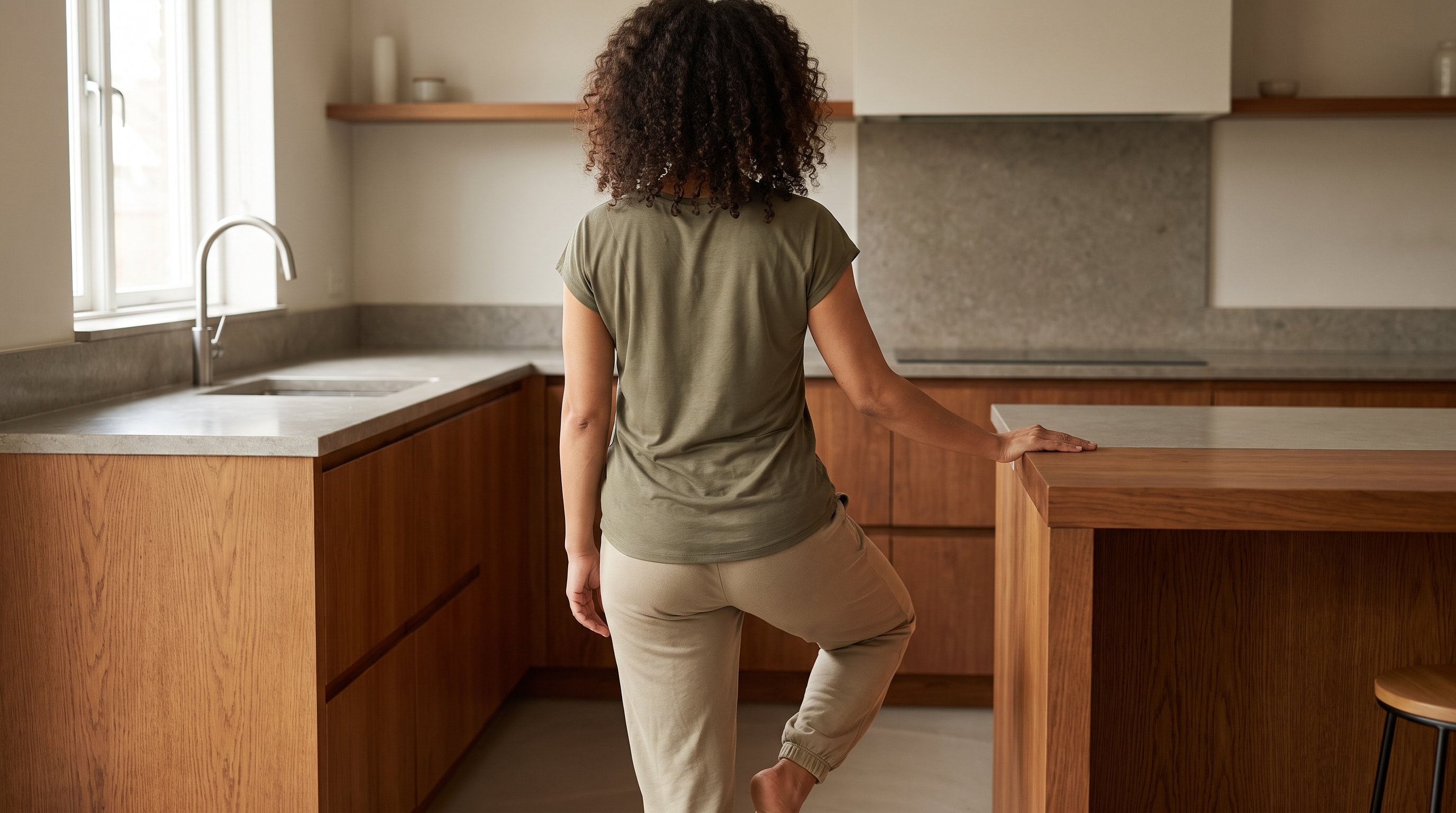
Tissue also responds better to repeated, gentle signals than to one intense session followed by six days of nothing - so the smaller, more frequent habit is doing more work than it looks like it is.
This is not about working harder - it is about picking the version of the task that a normal week can actually hold.
Working Knee Mobility Into a Day You Already Have
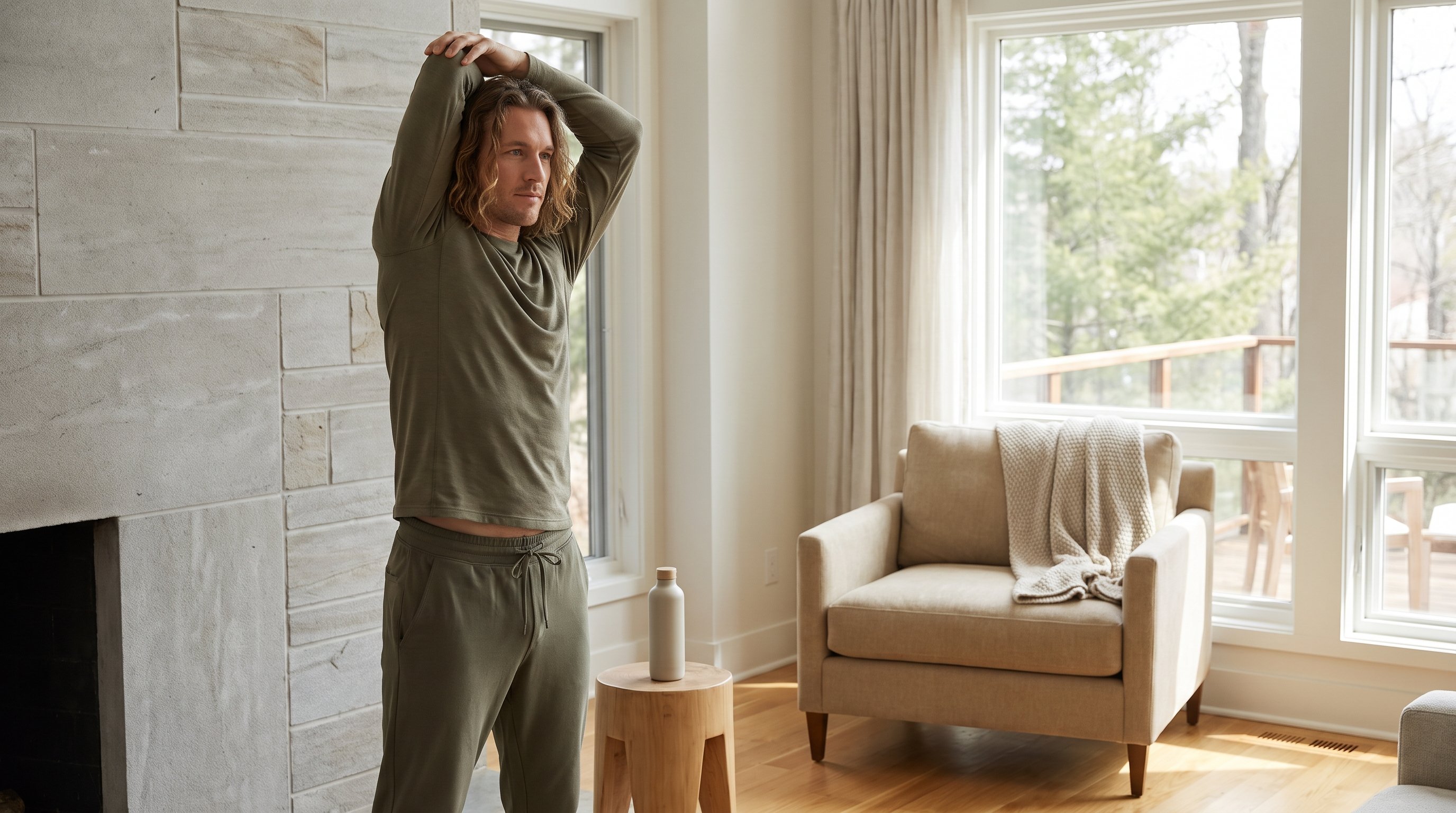
The easiest place to start is attaching the movements to something already happening - standing up from a desk, waiting for the kettle, or the few minutes before bed.
Nord Fascia's guided sessions are built short on purpose, so a knee-focused routine fits into one of those small gaps rather than needing a dedicated slot in the day.
The app's daily habit trackers can also hold this alongside step counts or hydration, so the knee work is not the only thing relying on memory.
No, You Cannot Fix a Knee Overnight
The honest answer: there is no overnight fix, and nothing here reshapes the joint or undoes years of stiffness in a week.
The body does not work on a switch - tissue that has adapted to being underused takes consistent, repeated signals to adapt back, and that happens on its own schedule, not a deadline.
The real answer is steadier and less exciting: keep moving the joint through its range regularly, and let the timeline be whatever it is rather than chasing a number.
What Actually Decides Your Knee Mobility Progress
Three things matter more than any single exercise choice.
The Factors That Move the Needle
- Consistency over intensity - a few minutes most days does more than one hard session a week, because the tissue gets a regular signal instead of an occasional shock.
- Hip and ankle mobility too - the knee sits between two joints that influence it, so stiffness there often shows up as a knee problem by the time you notice it.
- How much you sit - long stretches with the knee barely bending work against any mobility routine, so breaking up sitting matters almost as much as the exercises themselves.
Mistakes That Keep Knee Stiffness Around
Only Stretching the Knee Itself
Ignoring the hip and ankle means treating the symptom while the actual cause - tightness one joint over - stays untouched, so widen the routine rather than narrowing it.
Pushing Into Sharp Pain
Mobility work should feel like gentle effort, not pain - pushing through a sharp sensation is a sign to back off, not a sign of progress.
Doing It Once and Expecting Change
A single session will not undo months of a desk job - the value is almost entirely in the repetition, not any one standout routine.
Skipping Warm-Up Movement Before Harder Activity
Jumping straight into a run or a gym session on cold, stiff knees asks the joint to do more than it is ready for - a couple of minutes of bending and circling first makes a real difference.
Building Knee Mobility Exercises Into a Nord Fascia Routine
Most people do not struggle with knowing that movement helps - they struggle with remembering to do it on a Tuesday when nothing is scheduled.
Nord Fascia handles that part by offering a tailored plan of short, guided exercise sessions aimed at fascia release and mobility, so the routine is already laid out rather than something to build from scratch each day.
The app includes progress trackers, lifestyle challenges and a library of curated wellness content alongside the exercises, which means knee mobility work sits next to the rest of a daily routine instead of being one more separate thing to remember - no gym, no restrictive diet, and no exhausting workout required.
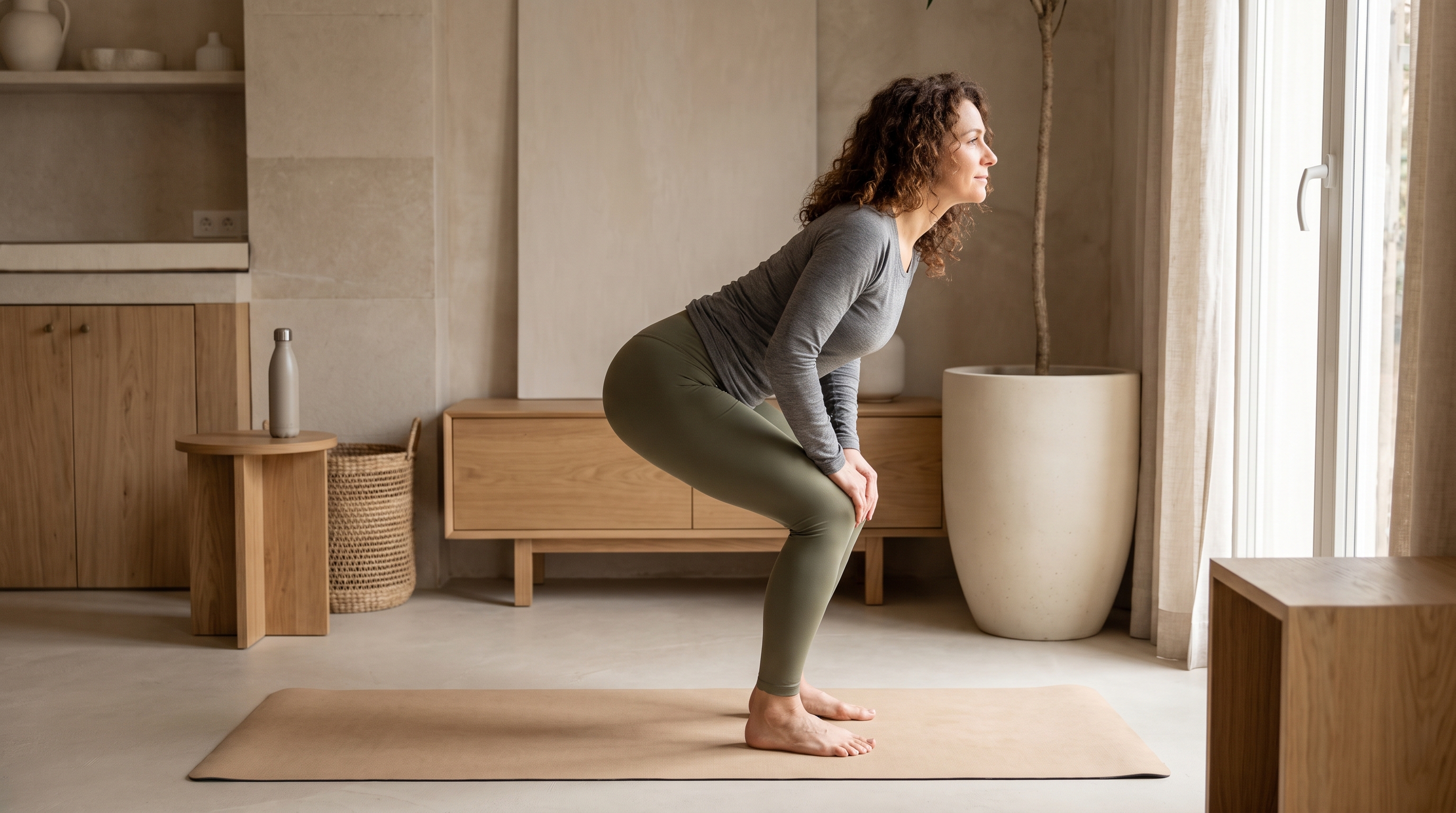
Release Tension Naturally
Move With Ease Again
Keeping Knee Mobility Steady Past the First Attempt
Pick one time of day - right after waking up, or right before sitting down for the evening - and attach a few minutes of knee movement to it rather than hoping to remember on its own.
Nord Fascia can hold that routine alongside the rest of a daily habit list, so it is one line in an existing plan rather than a new thing to track by memory.
FAQ
There is no fixed timeline, and anyone promising one is guessing - consistency matters far more than speed, so focus on keeping the habit rather than watching a calendar.
Occasional clicking or popping without pain is common and usually just gas or tendon movement around the joint - speak to a clinician if clicking comes with swelling, pain or the knee giving way.
No - most of this work is bodyweight movement done standing or seated, which is part of why it fits into small gaps in a day without planning around a gym.
Attaching the routine to an existing habit tracker, like the one inside Nord Fascia, removes the need to remember on willpower alone - it just becomes part of a list already being checked daily.
Share this post