Neck Fascia Release: A Practical Guide
By:Author:Nord Fascia Editorial
Updated on:October 16, 2026
- A Simple Neck Release Routine You Can Copy
- How Often Neck Fascia Release Actually Helps
- Gentle Daily Movement Versus One Hard Monthly Massage
- Working Neck Release Into a Normal Day
- Adjusting Neck Fascia Release for Different People
- What to Expect Week by Week
- Making Neck Fascia Release a Habit With Nord Fascia
- Keeping Your Neck Loose Beyond a Single Session
Neck fascia release means using slow, deliberate movement and gentle pressure to loosen the connective tissue around the neck and upper shoulders, so the area feels less tight and moves with more ease.
Fascia is the web of connective tissue that wraps muscles and joints, and it can feel stiff and bunched up after long stretches in one position, like sitting at a desk or looking down at a phone.
This guide covers what a simple routine looks like, how often to do it, why short sessions beat occasional long ones, and how to fit it into a normal week.
A Simple Neck Release Routine You Can Copy
You don't need a special setup for this. A chair, a few quiet minutes, and a willingness to move slowly is enough.
A Short Weekday Routine
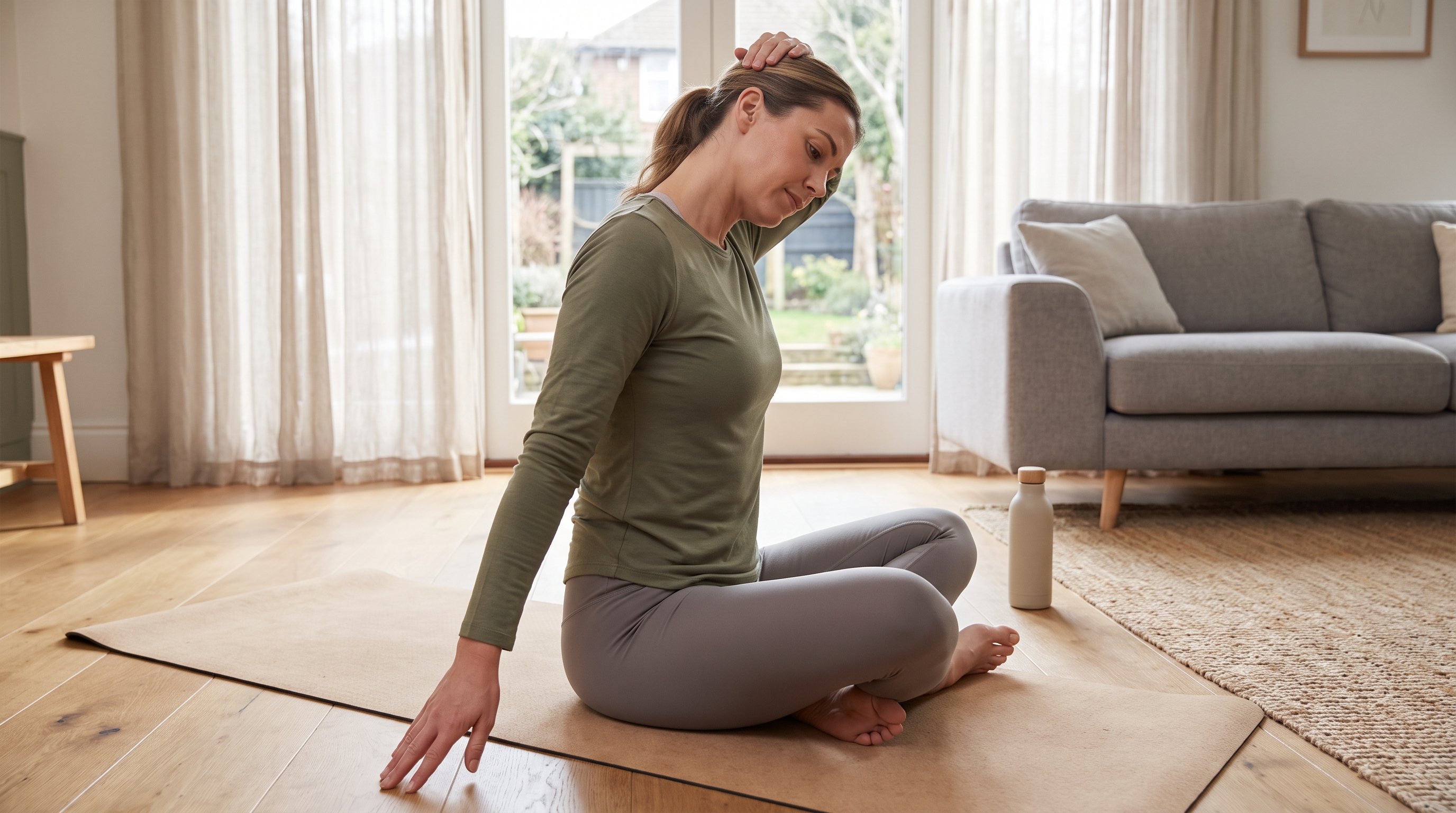
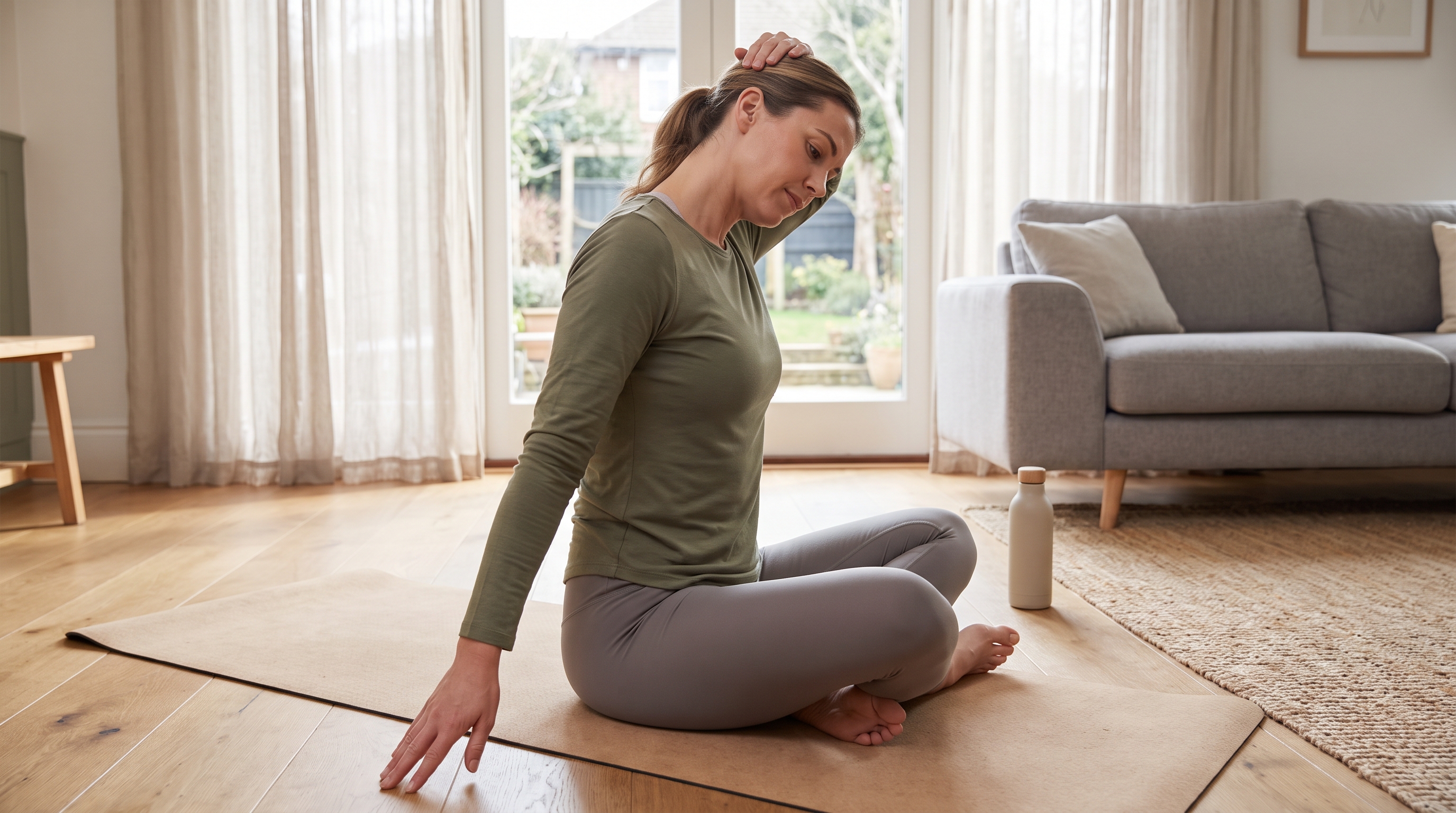
- Morning - two minutes of slow neck tilts, side to side, before you sit down to work
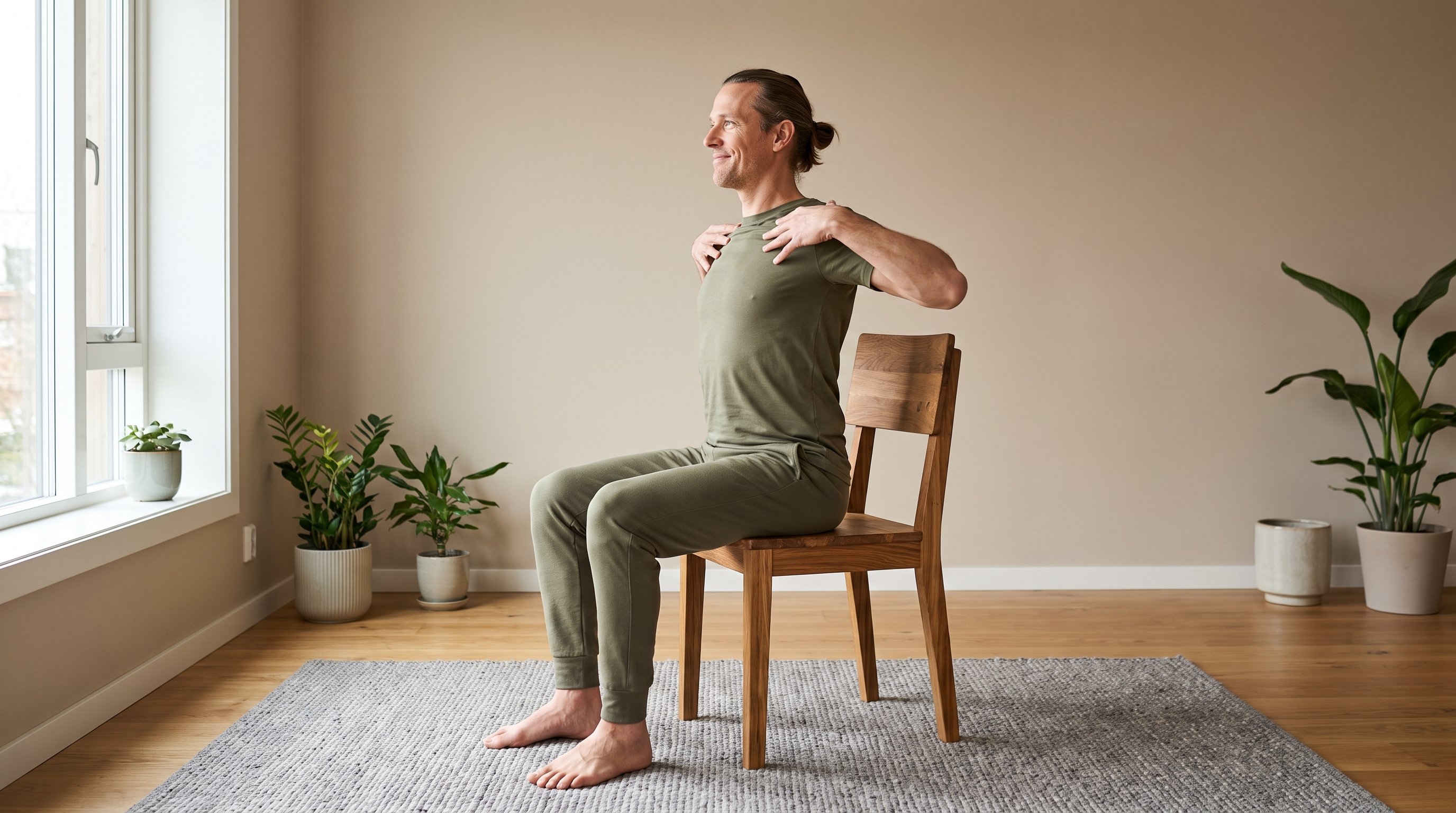
- Midday - a short break to roll the shoulders back and drop the chin gently toward the chest
- Afternoon - a minute of self-pressure along the base of the skull with your fingertips, moving slowly
- Evening - a longer five-minute session combining neck tilts, shoulder rolls, and slow turns side to side
None of this needs to feel intense. The point is gentle, repeated movement, not forcing a stretch to its limit.
How Often Neck Fascia Release Actually Helps
Short and Frequent Beats Long and Rare
A few minutes most days does more for how the neck feels than one long session saved for the weekend.
Fascia responds to movement over time, not to a single forceful push, so spreading sessions across the week tends to make more sense than cramming them in.
| Frequency | Best For |
|---|---|
| Daily, 2-3 minutes | Desk workers, daily stiffness |
| 4-5 times a week, 5 minutes | General maintenance |
| Twice a week, 10 minutes | Busy schedules |
| Once a week only | Least effective on its own |
Gentle Daily Movement Versus One Hard Monthly Massage
Both approaches exist: a few minutes of self-guided movement each day, or booking in for one deep tissue session a month.
The monthly session can feel good in the moment, but the tightness that built up over four weeks tends to creep back within days, because nothing changed in between.
Daily or near-daily movement is easier to stick with precisely because it's small - there's no dread, no big time block to find, no cost to skip once in a while and pick back up.
That's the real argument for the easier route: it's not that it works faster, it's that people actually keep doing it.
Working Neck Release Into a Normal Day
The easiest way to make this stick is to attach it to something you already do - the kettle boiling, a video call ending, brushing your teeth.
No equipment is needed, and none of this requires blocking out gym time or rearranging your evening.
Nord Fascia includes short guided fascia release sessions built for exactly this kind of moment, so you're following along rather than guessing whether you're doing it right.
The app's daily habit trackers also make it easy to see whether the short sessions are actually happening most days, not just in theory.
Adjusting Neck Fascia Release for Different People
If You Sit at a Desk All Day
Short breaks every hour or two matter more than one long session in the evening, since the stiffness is building up continuously through the day.
If Your Schedule Is Packed
Two minutes between meetings is enough to count - the goal is frequency, not duration, so don't wait for a free half hour that may not come.
If You're Older or New to This
Move slower and keep the range small at first, building up gradually rather than pushing for a big stretch on day one.
If You Have an Existing Neck Condition
Speak to a clinician before starting if you have a diagnosed neck or spine condition, ongoing pain, or a recent injury.
What to Expect Week by Week
Most people notice the stiffness easing at different speeds, and it's genuinely hard to put a number on when that happens for any one person.
The common drop-off point is around the second or third week, once the initial motivation fades and the routine hasn't quite become automatic yet.

Getting past that point usually comes down to keeping the sessions short enough that skipping feels like more effort than just doing them.
There's no finish line here either - this works more like brushing your teeth than training for an event, something you keep doing rather than complete.
Making Neck Fascia Release a Habit With Nord Fascia
Knowing the movements is one thing, remembering to do them on a stiff, busy day is another.
Nord Fascia pairs guided fascia release exercises with progress trackers and lifestyle challenges, so the short daily habit has some structure behind it instead of relying on memory alone.
There's no gym requirement, no restrictive diet attached, and no exhausting workout to dread - just short sessions you can follow along with when you have a few minutes.
Release Tension Naturally
Move With Ease Again
Keeping Your Neck Loose Beyond a Single Session
The simplest next step is picking one of the times above - morning, midday, or evening - and attaching two minutes of neck movement to it starting today.
Consistency, not intensity, is what makes the difference here, and that's genuinely good news because it means no special skill or equipment is required.
If you'd rather follow a guided routine than build one from scratch, Nord Fascia has short sessions ready to go whenever you have a few spare minutes.
FAQ
It varies a lot from person to person, so it's best to stay consistent with short daily sessions rather than watching for a specific milestone.
It overlaps with stretching but focuses more on slow, repeated movement and gentle pressure through the connective tissue rather than holding one static position.
A long session isn't the goal - two or three short bursts spread through the day tend to work better than one squeezed-in block anyway, and Nord Fascia's sessions are built to be short by design.
Forgetting is the biggest reason, followed by expecting a dramatic change too quickly and giving up when it doesn't appear on schedule.
Share this post