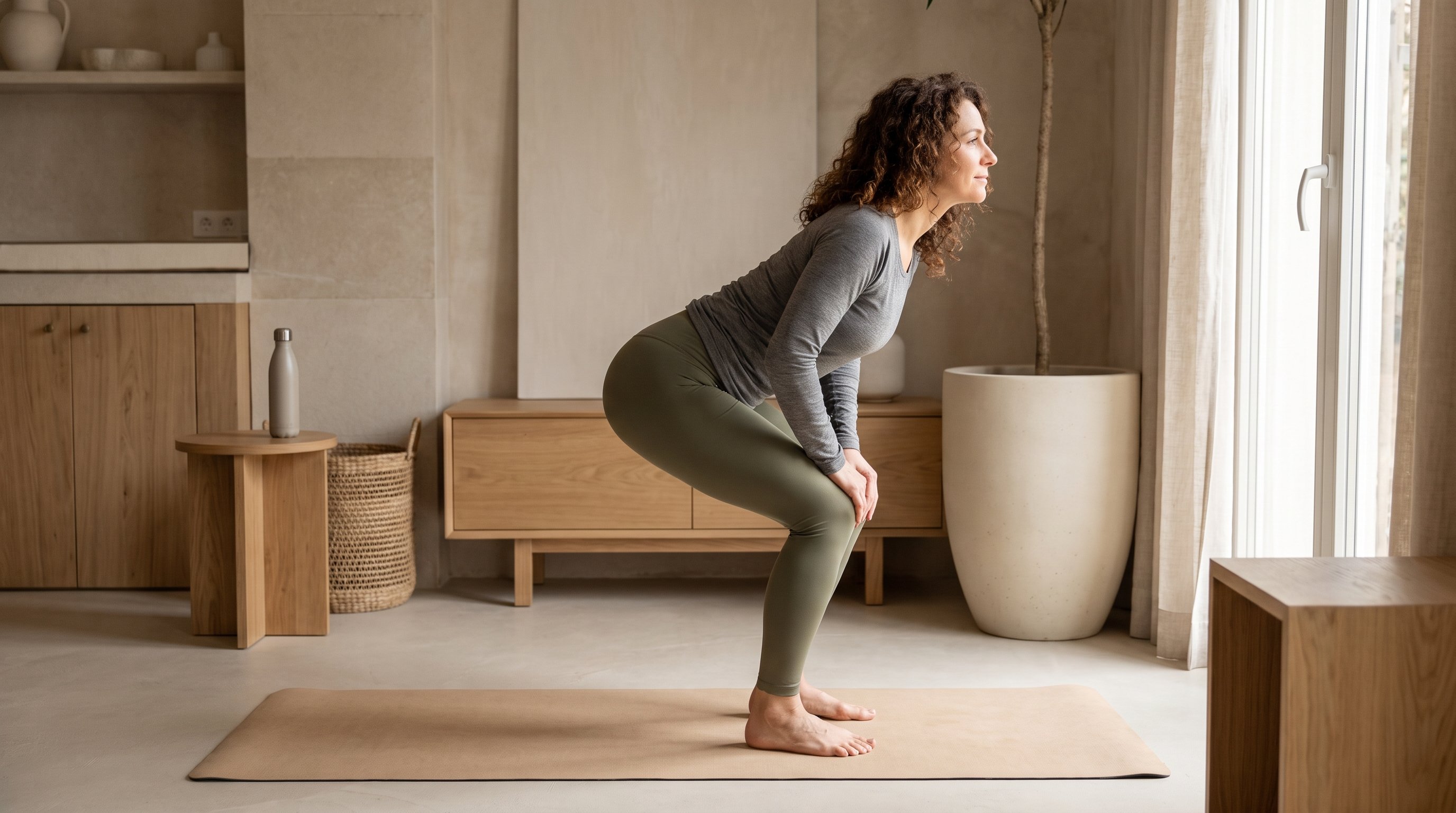
Release Trigger Points: A Practical Guide
By:Author:Nord Fascia Editorial
Updated on:October 16, 2026

- Does Pressing on a Tight Spot Actually Help?
- Foam Roller, Massage Ball, or Booking a Massage
- Why Short Daily Pressure Beats Occasional Deep Work
- Adjusting Trigger Point Release for Different People
- Fitting Trigger Point Work Into a Normal Week
- No, This Won't Reshape Muscle or Fix Posture Overnight
- Making Trigger Point Release a Daily Habit With Nord Fascia
- Keeping Tight Spots From Building Back Up
To release trigger points, you apply sustained, direct pressure to a tight band of muscle until the tissue softens and the referred ache eases off. It usually takes somewhere between 30 seconds and a couple of minutes per spot, not a single sharp jab.
The mechanism is mechanical and neurological at the same time - pressure changes blood flow to the area and gives the nervous system a reason to let go of the guarding pattern that's keeping the muscle locked short.
This guide covers whether the method holds up, how it compares to other options, who it actually suits, and how to build it into a week without turning it into another chore.
Does Pressing on a Tight Spot Actually Help?
Yes, within limits - sustained pressure on a tight band of muscle tends to reduce local tenderness and loosen the surrounding tissue for a while, which is why the technique has stuck around.
The honest arithmetic: if you spend 60-90 seconds on a spot a few times a week, that's maybe 5-10 minutes of total release work weekly, which is a small, realistic slice of time compared with the hours that stiffness can cost you in discomfort and distraction.
What the Pressure Is Actually Doing
A trigger point is a small area where muscle fibres have stayed contracted longer than they should have, and direct pressure interrupts that pattern long enough for the tissue to reset.
It doesn't dissolve anything or remove tissue - it just gives a stuck area a reason to soften, and that effect fades if you never revisit it.
That's the ceiling and the floor of what this method does - no more, no less, and worth knowing before you expect something bigger from it.
Foam Roller, Massage Ball, or Booking a Massage
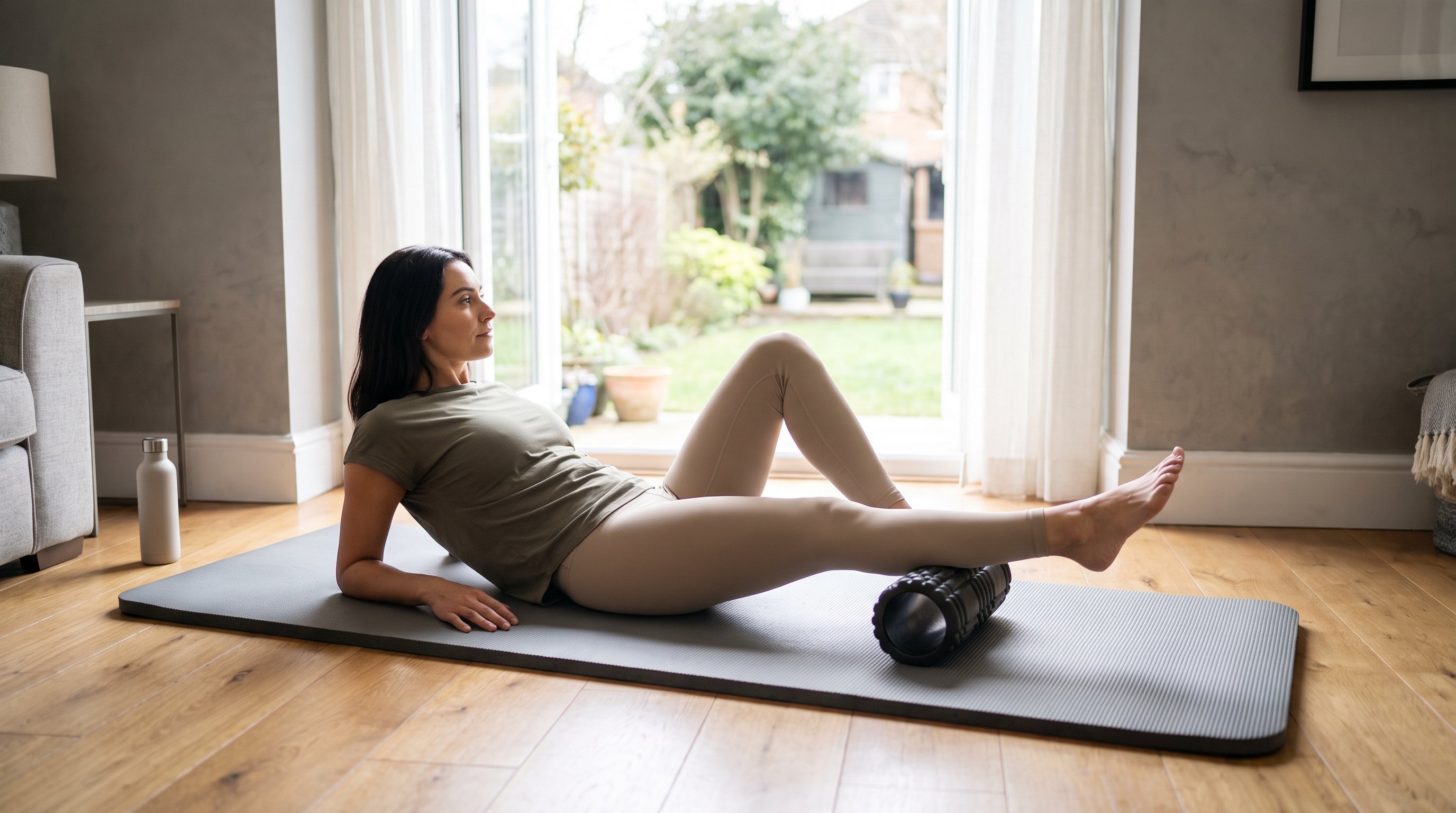
Most people weighing up trigger point release are really choosing between doing it themselves with a cheap tool or paying someone else to do it for them on a schedule.
| Option | Cost | Time Needed | Control |
|---|---|---|---|
| Massage Ball | Low, one-off | A few minutes daily | High, self-paced |
| Foam Roller | Low, one-off | 5-10 minutes | High, self-paced |
| Booked Massage | Higher, recurring | 45-60 minutes | Low, set by appointment |
| Guided App Routine | Moderate, subscription | Few minutes a day | High, flexible timing |
| Doing Nothing | None | None | No change expected |
None of these is wrong - the right one depends on whether you'd rather spend money for convenience or spend a few minutes of your own time instead.
Why Short Daily Pressure Beats Occasional Deep Work
A once-a-month deep massage feels dramatic, but a tight muscle doesn't stay loose for four weeks off the back of one session.
A few minutes of pressure most days keeps asking the tissue to stay soft, which adds up to more total release time across a month than one long session ever could.
The short, frequent version also asks less of you - there's no appointment to keep, no travel, nothing to schedule around, so it's far easier to actually keep doing.
That's the whole case for the easier route: it isn't that it works harder, it's that you'll actually do it next week too.
Adjusting Trigger Point Release for Different People
If You're Just Starting Out
Go gentle at first - start with lighter pressure and shorter holds, since tissue that's never been worked this way can feel more tender than expected the first few times.
If Your Week Is Already Packed
Pick one or two spots that bother you most and work those for a minute each, rather than trying to cover everything - a short, targeted session beats a long one you skip.
If You're Older or New to This Kind of Work
Lighter, longer holds tend to suit older joints and tissue better than sharp, forceful pressure, and it's worth easing in slowly over the first couple of weeks.
If You Sit at a Desk All Day
Upper back, shoulders and neck tend to hold the most tension from sitting, so a short session aimed at those areas before or after work often fits best.

Fitting Trigger Point Work Into a Normal Week
The easiest way to keep this going is to tie it to something you already do - a few minutes before bed, or right after you brush your teeth in the morning.
No gym or special setup is needed, just a few quiet minutes and a tool you can reach without thinking about it.
Nord Fascia's guided exercise sessions are built short on purpose, so a release routine can sit inside a normal day instead of becoming one more thing competing for your time.
Pairing that with the app's daily habit trackers makes it easier to notice whether you actually did the few minutes you planned, rather than guessing at the end of the week.
No, This Won't Reshape Muscle or Fix Posture Overnight
It's worth saying plainly - pressing on a trigger point does not reshape a muscle, melt anything, or fix posture in one session, and nobody should expect it to.
The body doesn't work that way - tissue change takes repeated, patient input over weeks, not a single hard press, however satisfying that press might feel.
The real answer is quieter than the promise people want: a looser, more comfortable spot that needs tending again in a few days, and a slow build of that habit over time.
If pain is sharp, spreading, or doesn't ease with gentle pressure, it's worth speaking to a clinician rather than pressing harder.
Making Trigger Point Release a Daily Habit With Nord Fascia
Knowing you should press on a sore spot for a minute is one thing - remembering to do it, and doing it with decent form, is another.
Nord Fascia builds a tailored-for-you plan around fascia release and mobility, with hundreds of short guided sessions so you're not guessing at pressure, timing, or which spot to work next.
The audio and video content walks through each movement, the trackers keep tabs on hydration, steps and your routine in one place, and the lifestyle challenges give you small, manageable goals to build toward instead of a vague intention to 'stretch more'.
There's no gym membership, no restrictive diet and no exhausting workout attached - just short sessions aimed at helping you move more comfortably and ease stiffness over time.

Release Tension Naturally
Move With Ease Again
Keeping Tight Spots From Building Back Up
The spots that bother you most tend to come back if nothing in your routine changes, so the goal isn't one good session - it's a small habit that keeps meeting the tension before it builds up again.
Pick one area, give it a minute or two most days, and notice whether it feels different after a couple of weeks rather than after one try.
Nord Fascia can sit underneath that habit, offering the short guided sessions and tracking that make it easier to keep showing up for a few minutes at a time.
FAQ
Some people feel a looser, less tender spot within the same session, but a lasting change in how an area feels day to day usually takes a few weeks of repeated, short sessions. There's no fixed timeline, and it varies by person and by how tight the area was to begin with.
No - stretching lengthens a muscle through its whole range, while trigger point release targets one small, stuck spot with direct pressure. The two work well together rather than replacing each other.
Ease off the pressure rather than pushing through sharp pain, and give the area lighter, shorter holds until it settles. If soreness is severe, spreading, or doesn't improve with gentle pressure, it's worth speaking to a clinician before continuing.
It usually comes down to the routine feeling like one more task with no clear plan behind it. Nord Fascia's short guided sessions and trackers are built to keep that from happening by making the habit specific and easy to check off.
Share this post