Self Myofascial Release: A Practical Guide
By:Author:Nord Fascia Editorial
Updated on:October 16, 2026
- Does Pressing on Tight Muscle Actually Help?
- How the Pressure Actually Changes Tight Tissue
- How Much Release Work You Actually Need
- Rolling at Home Versus Booking Regular Massage
- Fitting Release Work Into a Normal Week
- No, Rolling Will Not Reshape Any Body Part
- What Actually Changes How Well This Works
- Mistakes That Quietly Undo Your Progress
- Building a Tissue Release Habit With Nord Fascia
- Making This a Habit Instead of a One-Off
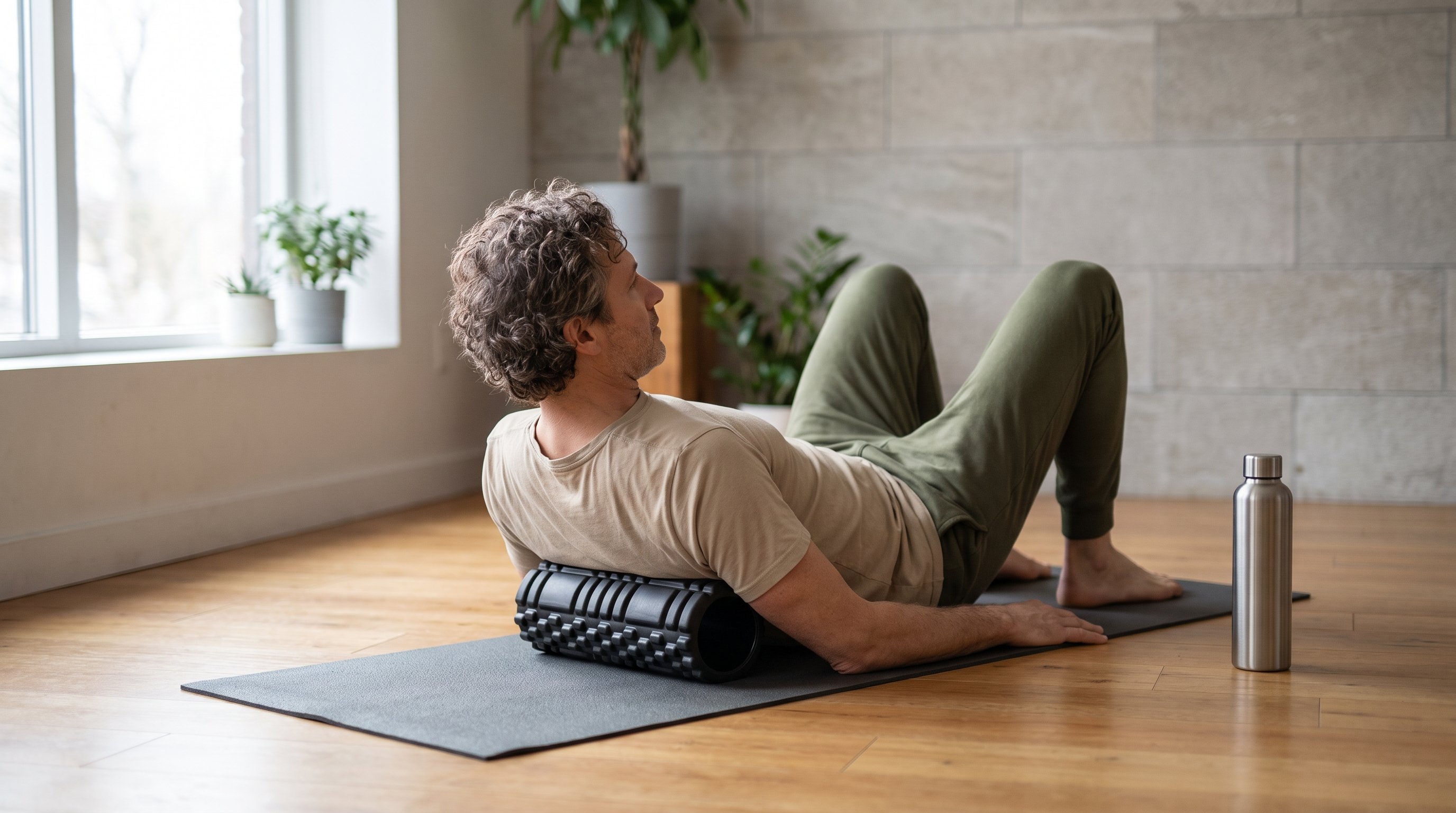
Self myofascial release is pressure applied to your own muscle and connective tissue - with a roller, a ball, or your hands - to ease stiffness and help a joint move through its full range again. It works by changing how your nervous system reads tension in that area, not by physically reshaping the tissue underneath.
Most people were never shown how to do this properly. It gets treated as something athletes do before a session, when really it is a maintenance habit anyone with a desk job, a training routine, or a stiff lower back could use.
This guide covers whether tissue release actually does anything, how it works under the skin, how much of it you need, and where it fits into a week that already feels full.
Does Pressing on Tight Muscle Actually Help?
Yes, within a limited and honest scope. Sustained pressure on a tight area signals your nervous system to reduce the protective tension it is holding there, which is why a tight spot can feel looser within minutes of rolling it.
That is a real mechanism, but it is a temporary window, not a permanent fix for the tissue itself. If ten minutes of rolling buys you an hour of easier movement, and you do that most days, those hours add up to a week that feels noticeably less stiff - simple arithmetic, not magic.
The honest version: tissue release will not undo months of a desk job in one sitting, and anyone selling that is overstating a simple mechanism.
How the Pressure Actually Changes Tight Tissue
There are two separate things going on when you roll or press a tight area, and it helps to understand both.
The Nervous System Response
Sustained pressure tells the sensors in your muscle that the area is safe, which lets your nervous system dial down the protective tightness it was holding - this is the main reason a spot feels looser almost immediately.
The Fascia and Fluid Shift
Fascia is the connective webbing wrapped around your muscles, and pressure through it encourages fluid movement in the tissue, which can make the area feel more pliable for a while afterwards.
Neither effect rebuilds or reshapes tissue permanently. Both are real, both are short-lived on their own, and both get more useful the more regularly you use them.
How Much Release Work You Actually Need
Short and frequent beats long and occasional here, the same way a few minutes of movement daily beats one long session on a Sunday.
A Realistic Starting Point
Somewhere around five to ten minutes on one or two tight areas, most days of the week, is enough to notice a difference without it eating your evening.
| Area | Time | Frequency |
|---|---|---|
| Upper back | 2-3 minutes | Most days |
| Hips and glutes | 3-4 minutes | 4-5 times a week |
| Calves | 2 minutes | After long walks |
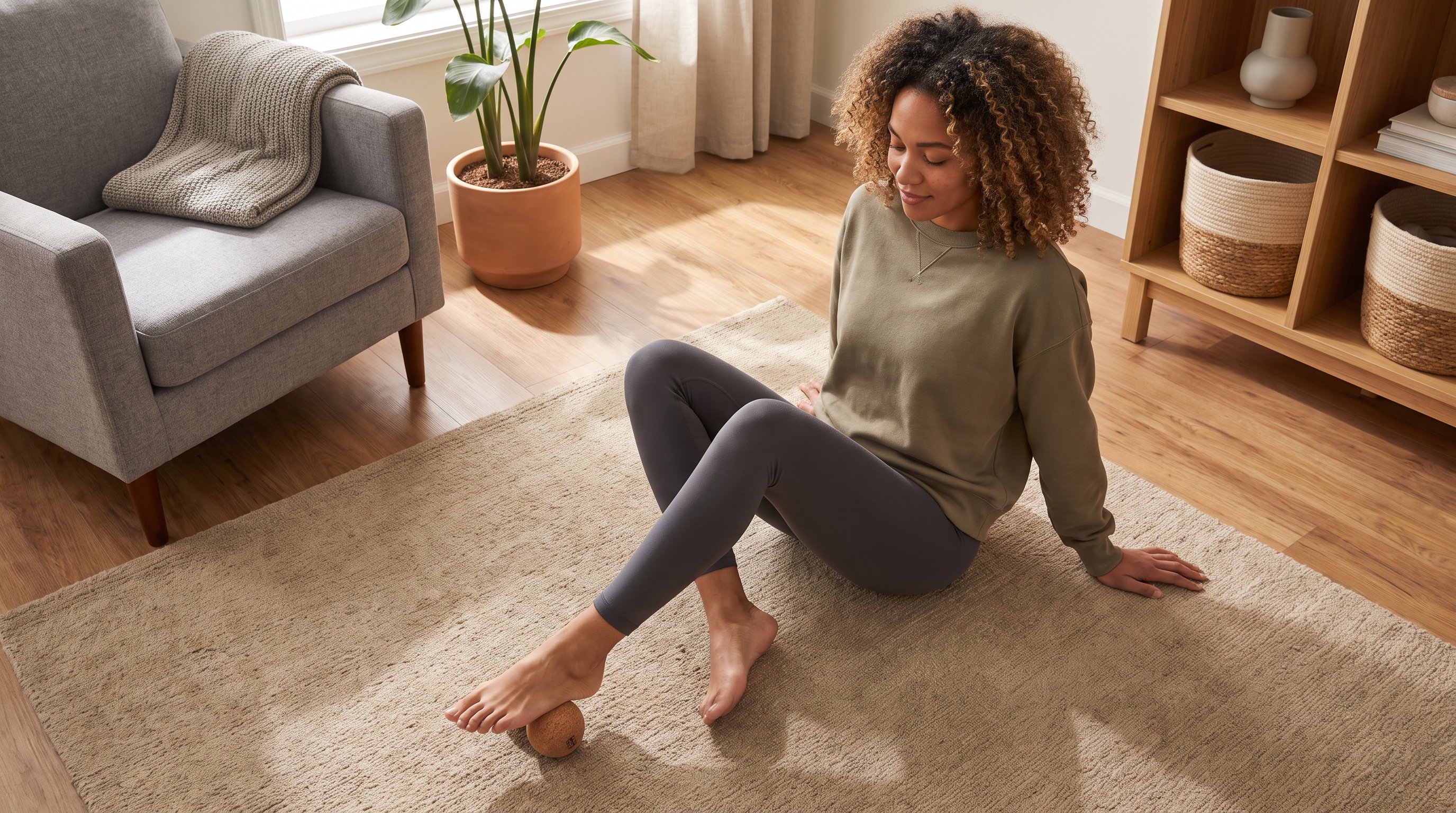
| Feet | 1-2 minutes | Daily if desk-bound |
| Forearms | 2 minutes | 3-4 times a week |
Treat this as a starting point, not a prescription - some areas will need more attention than others depending on what your week looks like.
Rolling at Home Versus Booking Regular Massage
Regular massage from a trained therapist can feel more thorough, but it usually costs money and needs scheduling around someone else's calendar, which makes it easy to let slide after a few weeks.
Tissue release at home costs a roller or a ball, takes a few minutes, and happens on the floor in front of the television - no booking, no travel, no waiting list.
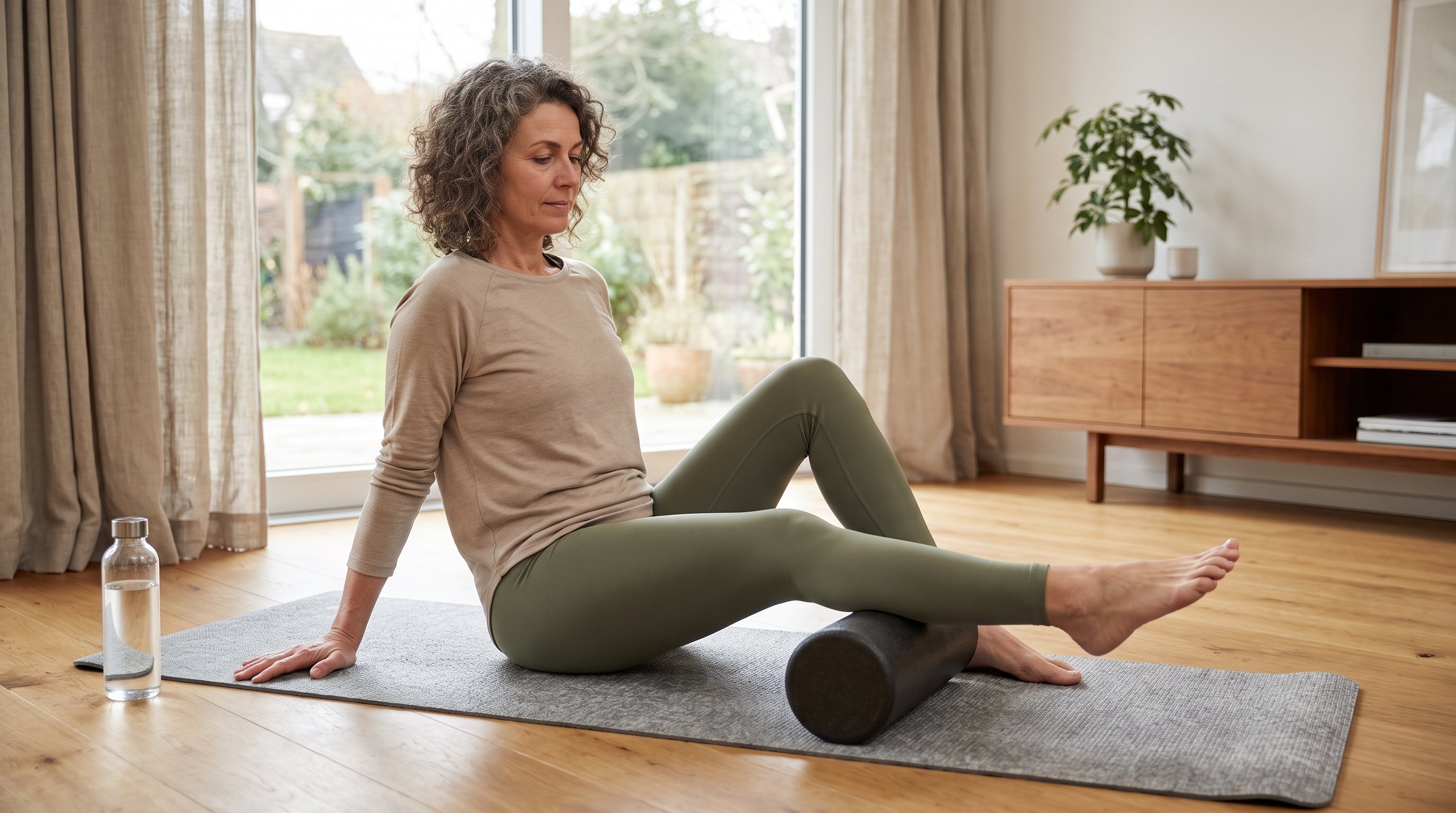
The thing that actually changes stiffness over a stretch of weeks is not which method is technically more effective in a single session - it is which one you will still be doing in a month. The easier option usually wins by default.
Fitting Release Work Into a Normal Week
The areas that get stiffest are usually the ones tied to how your day is spent - hips and lower back from sitting, shoulders and forearms from a desk and a phone, calves from standing or walking a lot.
A short session works best stacked onto something you already do - right after a shower, before bed, or while something is cooking - rather than treated as its own separate appointment.
This is where a guided plan helps more than guesswork, because it tells you which areas to hit and for how long instead of leaving you to roll around aimlessly. Nord Fascia builds a tailored-for-you release plan around short guided sessions, so you are working the areas that actually need it rather than whatever feels vaguely tight that day.
No, Rolling Will Not Reshape Any Body Part
A common hope is that pressing on a specific area - thighs, stomach, arms - will shrink or reshape it. That is not how the body works, and nobody honest will tell you otherwise.
Tissue release does not target fat and it does not reshape a body part, because the mechanism involved is about tissue tension and nervous system signalling, not fat loss or body composition.
What it genuinely does is help a stiff area feel more comfortable to move, which is a smaller promise but an honest one - and honestly, that is usually the thing people actually wanted in the first place.
What Actually Changes How Well This Works
Three things matter more than which roller or ball you buy.
The Factors That Matter Most
- Consistency over intensity - a few minutes most days does more than one brutal session once a month.
- Targeting the right area - pressing wherever feels tight is less useful than working the areas tied to your actual daily movement pattern.
- Pairing it with movement - following release work with a few minutes of gentle movement through the joint locks in the looser range you just created.
Mistakes That Quietly Undo Your Progress
Pressing As Hard As Possible
More pressure is not automatically better and can make your nervous system tighten up further in defence - aim for firm but tolerable, not wincing.
Rolling for Twenty Minutes Once a Week
One long session does not bank benefit for the rest of the week the way a few minutes daily does - short and frequent wins here.
Ignoring the Area That Actually Needs It
It is easy to roll whatever is closest or easiest to reach instead of the hip or upper back that is actually driving the stiffness - a guided plan helps with this.
Expecting a Permanent Fix From One Session
The looseness you feel afterwards fades over hours, which is normal - the benefit comes from doing it regularly, not from one perfect session.
Building a Tissue Release Habit With Nord Fascia
Knowing the mechanism is one thing - actually doing it consistently, on the right areas, is where most people fall off.
Nord Fascia offers hundreds of short guided sessions built around fascia release and mobility, so instead of guessing which area needs attention, you get a tailored-for-you plan that tells you what to do and for how long. It also includes daily trackers for habits like hydration and movement, plus lifestyle challenges, so the release work sits inside a routine instead of floating on its own - no gym, no restrictive diet, no exhausting workouts required.
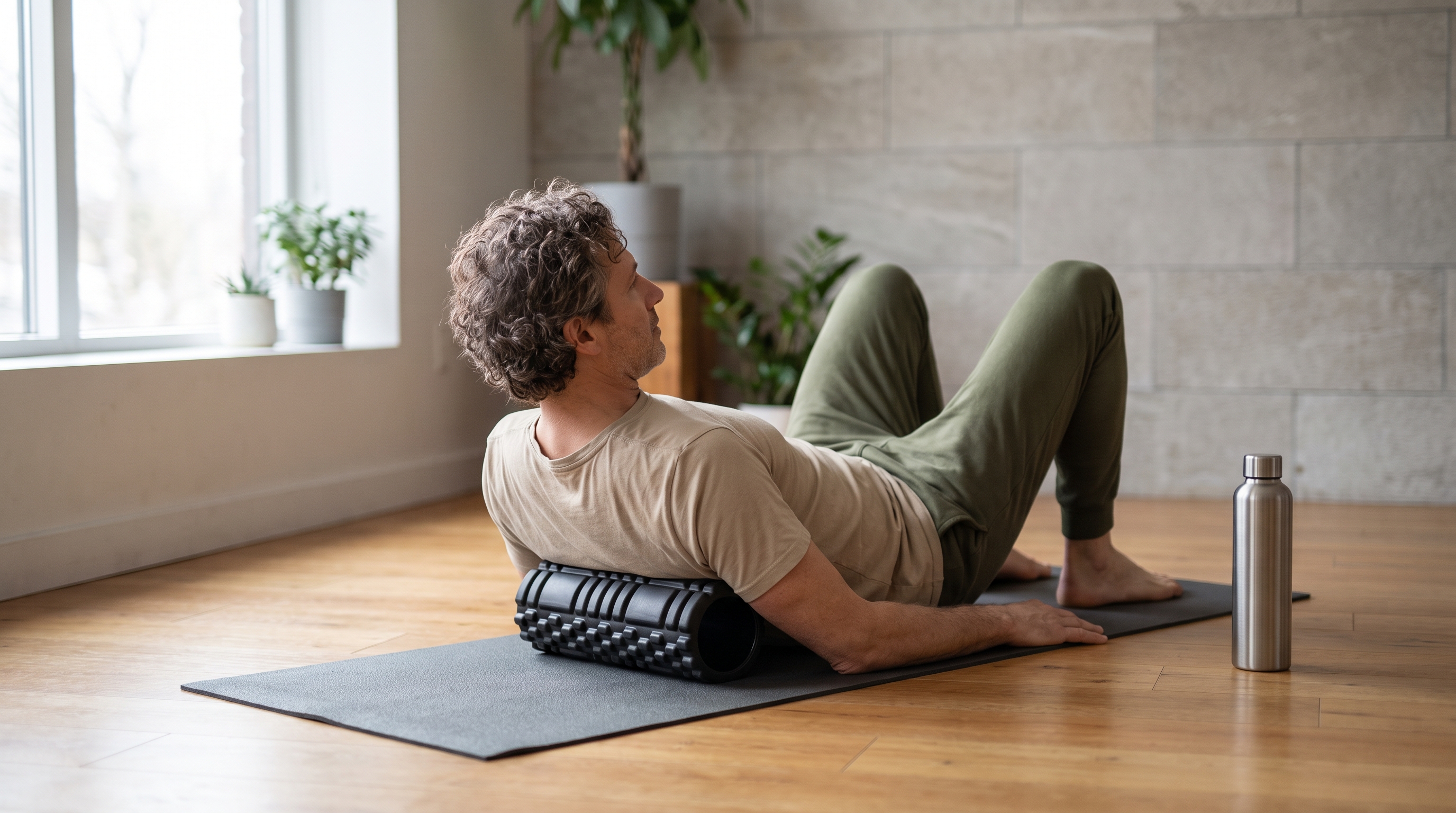
Release Tension Naturally
Move With Ease Again
Making This a Habit Instead of a One-Off
Tissue release works best as something you barely think about - a few minutes stacked onto an evening routine, not a project you plan around.
Pick one tight area, give it five minutes tonight, and notice how it feels tomorrow - that is the whole starting point. Nord Fascia can take the guesswork out of which areas to focus on next, if you would rather follow a plan than build one from scratch.
FAQ
Both apply the same basic pressure mechanism, just over a different surface area - a ball reaches smaller, more specific spots, while a roller covers broader areas like the back or thighs faster.
It can feel uncomfortable on a genuinely tight spot, but sharp or wincing pain means you are pressing too hard - firm and tolerable is the target, not painful.
A couple of minutes on one area a few times a week still beats nothing, and stacking it onto something you already do, like watching television, makes it easier to keep up. Nord Fascia's short guided sessions are built for exactly this kind of squeezed schedule.
They do different jobs - release work eases tension before or after movement, while stretching builds range of motion over time, so the two work better together than as substitutes for each other.
Share this post